Models
Compare electrowinning cells
50 ft3
75 ft3
14 / 13
20 / 18
750
1000
FLSmidth A/S
Havneholmen 2, 1-3
2450 Copenhagen SV
Denmark

With over 200 gold and silver electrowinning cells installed worldwide, our systems are known for their high-current efficiency, safety, ease of sludge removal, and durability. It’s little wonder they have been trusted time and again to deliver cost-effective precious metals recovery.
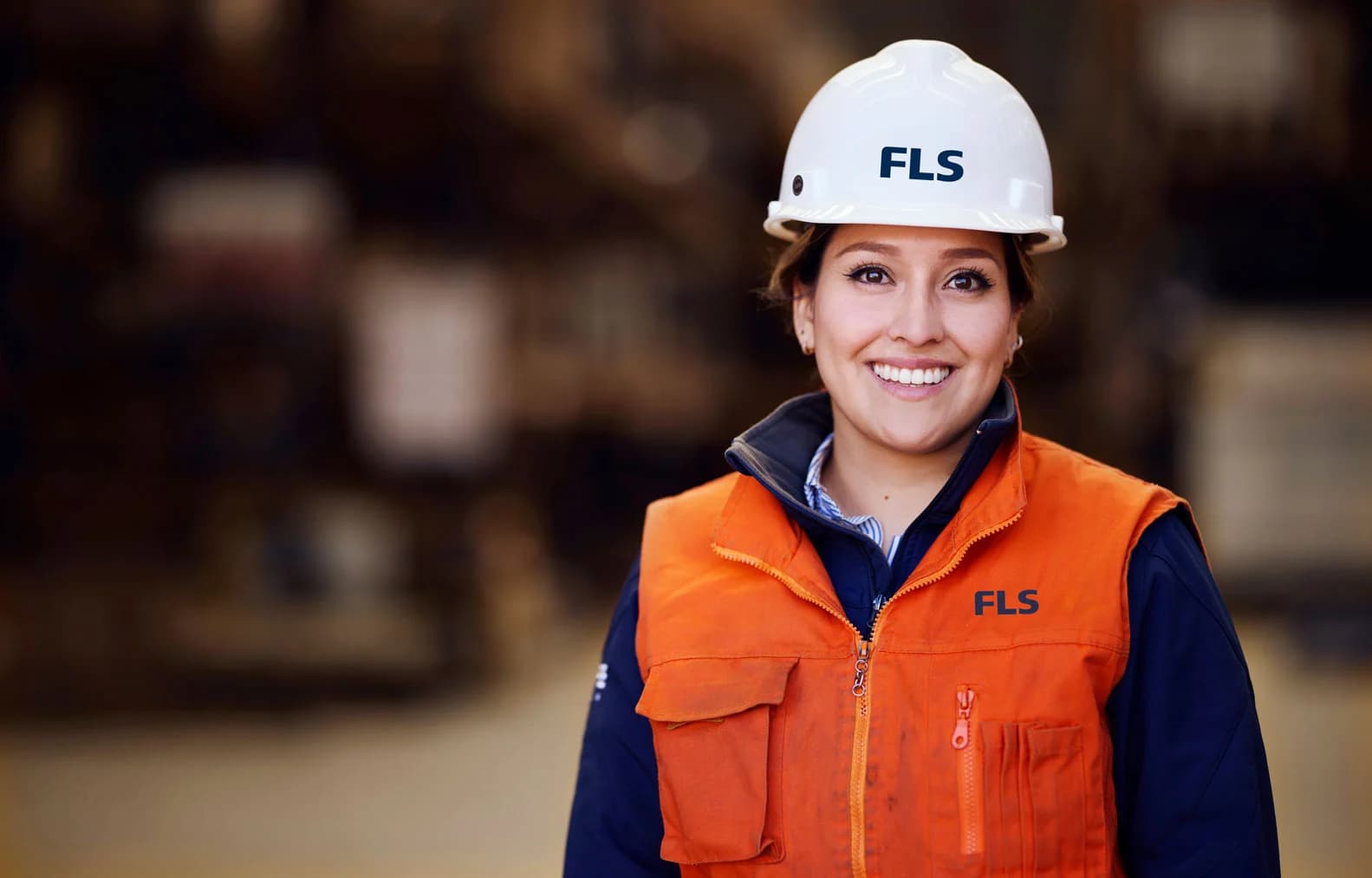
Our aftermarket department offers reliable and timely supply of spares and wear parts, ensuring minimal downtime and optimal equipment performance. Our specialists are also readily available to provide ongoing operational support. Whether it’s technical advice, troubleshooting or circuit optimization, we work closely with mine site teams to ensure the longevity and efficiency of the equipment throughout its lifecycle. Additionally, we offer comprehensive support services, including circuit audits, preventive maintenance programs, training for mine operators and maintenance personnel, and detailed reporting on equipment performance. Our goal is to help maximise recovery, minimise downtime, and ensure the safe and efficient operation of your FLS systems and equipment.

Stainless-steel cells with polypropylene lining, built-in exhaust, and durable electrodes reduce fire risk, corrosion and exposure to toxic fumes.
Durable stainless-steel cells and electrodes, with polypropylene lining and built-in exhaust, ensure long life, corrosion resistance and safer operation.

Our stainless-steel cells are more durable and less at risk of catastrophic fire than fibreglass cells. They are lined with polypropylene for electrical isolation and heat insulation and come with a built-in exhaust plenum to pull toxic fumes from the cell. Stainless-steel anodes and cathodes are less susceptible to corrosion and last longer.
Designed for in-cell cathode washing with a portable pressure sprayer or installed spraying system, our electrowinning cells eliminate the need to remove the cathodes for cell servicing, significantly cutting service time by up to 75%.
Our electrowinning cells come in various sizes and have electable left- or right-hand orientation plus vertical or horizontal flanges to allow fitting into any existing refinery. The cells are easy to configure during engineering with a range of optional extras enhancing performance and ensuring you receive a cell that suits your application needs.
Treating 15-80 gallons per minute (3.5-18m3/hr) of pregnant solution, our electrowinning cells can be used with all types of metal recovery systems, including Zadra and AARL elution, high-grade leaching, and intensive cyanidation from gravity systems. They have also been used successfully with non-cyanide metal-bearing solutions. Cells are typically serviced once per week to recover the precious metal sludge and operate in the 2.1V to 5V buss bar range with 60A to 90A per cathode, although some high-grade solutions will use higher amperage per cathode.