Models
Compare our coarse flotation cells
100
850
Pilot
Industrial
FLSmidth A/S
Havneholmen 2, 1-3
2450 Copenhagen SV
Denmark

Our cutting-edge coarseAIR™ coarse particle flotation technology expands the definition of ‘liberation classes’, recovering particles considered poorly liberated in the conventional sense. This results in increased plant throughput and recovery and supports mines in meeting ESG goals for water and tailings management.

FLS coarseAIR™ coarse particle flotation can be installed upstream of rougher flotation to process the coarser fraction of material usually processed in traditional flotation. It can also be used for tailings scavenger/retreatment applications, where it processes the final tailings stream from the plant to capture coarse particles that may have been lost by the conventional flotation circuit.
Based on the design of the REFLUX™ Classifier, the coarseAIR™ cell comprises a low-turbulence, high-density fluidised bed, reducing the probability that coarse mineral particles will travel to the tails. Inclined lamella channels effectively separate ore from gangue by leveraging the boycott effect. No internal parts mean simple operation, reduced energy consumption and lower maintenance requirements compared to conventional flotation cells, while modular accessory equipment has been specifically designed to facilitate simpler implementation.

Coarse grinding can cut energy use by up to 30% and reduce operating costs and emissions.

Better dewatering from coarse grinding improves water recovery and tailings stability for safer operation.

A coarse grind can cut energy use by up to 30%, reducing costs and lowering the grinding circuit’s carbon footprint.

A coarse grind enhances dewatering, allowing quicker water recovery and reducing water loss while improving tailings stability.
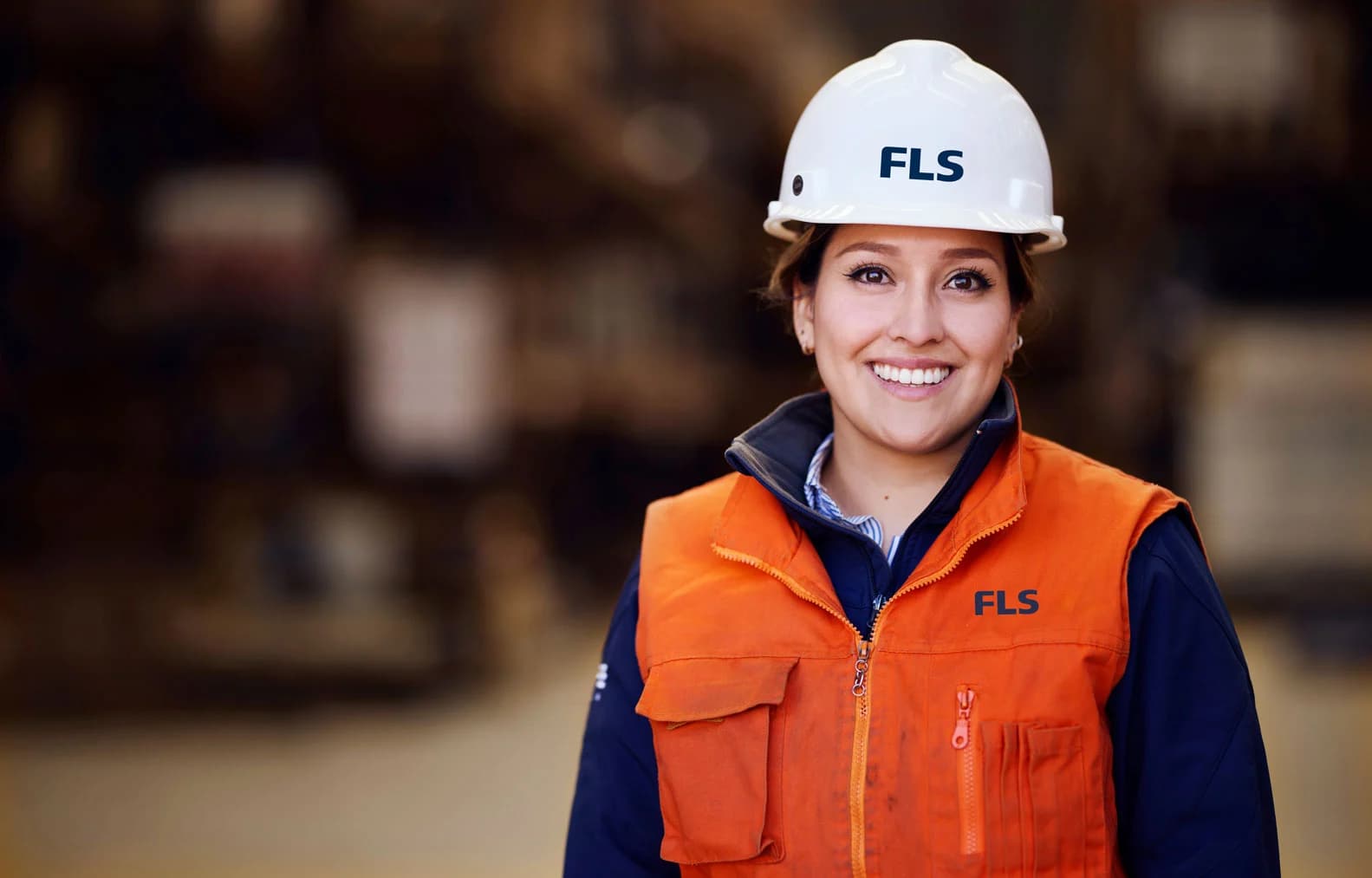
We maintain a network of service centres close to our customers to offers long-term, full-lifecycle technical support. Our service engineers are always ready to travel to site for equipment inspections and audits, to supervise maintenance, and deliver tailored flotation training programmes. Meanwhile, our genuine spare and wear parts deliver long service life and ensure the performance of your flotation cells does not degrade over time.

Coarser particle recovery means the mill doesn’t have to work as hard to prepare the flotation feed. This allows mines to increase plant throughput without investment in the grinding circuit. Alternatively, the mine may maintain throughput and reduce grinding energy consumption.
Our coarseAIR technology significantly improves ore recovery by capturing coarser particles, up to 850 microns in sulphide minerals and >1 mm in industrial minerals. Typically, these particles would have been lost in conventional flotation circuits.
A coarse grind, free of significant ultrafine materials, improves dewatering of both concentrate and tailings. This allows a greater proportion of water to be recovered, more quickly, reducing water loss while improving the stability (and thus the safety) of dewatered tailings.