Dewatering and process water screening

Control moisture and recover water with FLS screening solutions

FLS screening solutions for dewatering and process water applications are designed to work with your specific slurry characteristics and target moisture levels. The result is improved water balance and reduced downstream dewatering costs while maintaining material conveyability.

Home/.../Screening/Dewatering and process wa...

Key benefits of FLS screens for dewatering and process water

  • Moisture control at source

    Screen and media combinations are engineered to hit moisture targets, keeping belts, stockpiles, and loadouts flowing smoothly.

  • Water back to work

    Early water recovery reduces stress on thickeners and filters, helping maintain consistent production while improving circuit water balance and reducing freshwater demand.

  • Designed-in uptime

    Heavy-duty structures, clean-down access, and simplified wear parts management support short, predictable shutdowns, while exchange programmes provide rapid replacement of screen bodies to protect production schedules.

  • Always-on insight

    Online condition monitoring of exciters and motion delivers comprehensive machine assessments, reducing downtime, minimising unplanned stoppages, and increasing protection against major failures.

  • De-risked implementation

    Existing screen audits and site trials verify drainage dynamics before full deployment, while metallurgical input aligns dewatering with overall flowsheet performance and targets.

Screens in dewatering and process water applications 

Effective dewatering screening removes water at the source - immediately after classification, beneficiation, or separation - reducing the load on thickeners and filters while improving circuit water balance. When dewatering underperforms due to blinding, incorrect motion, or inadequate media selection, product moisture increases, handling becomes difficult, downstream equipment works harder than necessary, and water recovery suffers. 

FLS screening solutions address these challenges across multiple applications. VSW Series dewatering screens serve as the primary moisture-control solution for tailings or middling streams that require dewatering to ease the load on downstream thickeners and filters while reducing moisture-related handling issues. When placed after classification, flotation, spirals, magnetic separation, or other beneficiation stages, VSW Series units produce a cleaner, more conveyable product, while maximising the water returned to the process.  
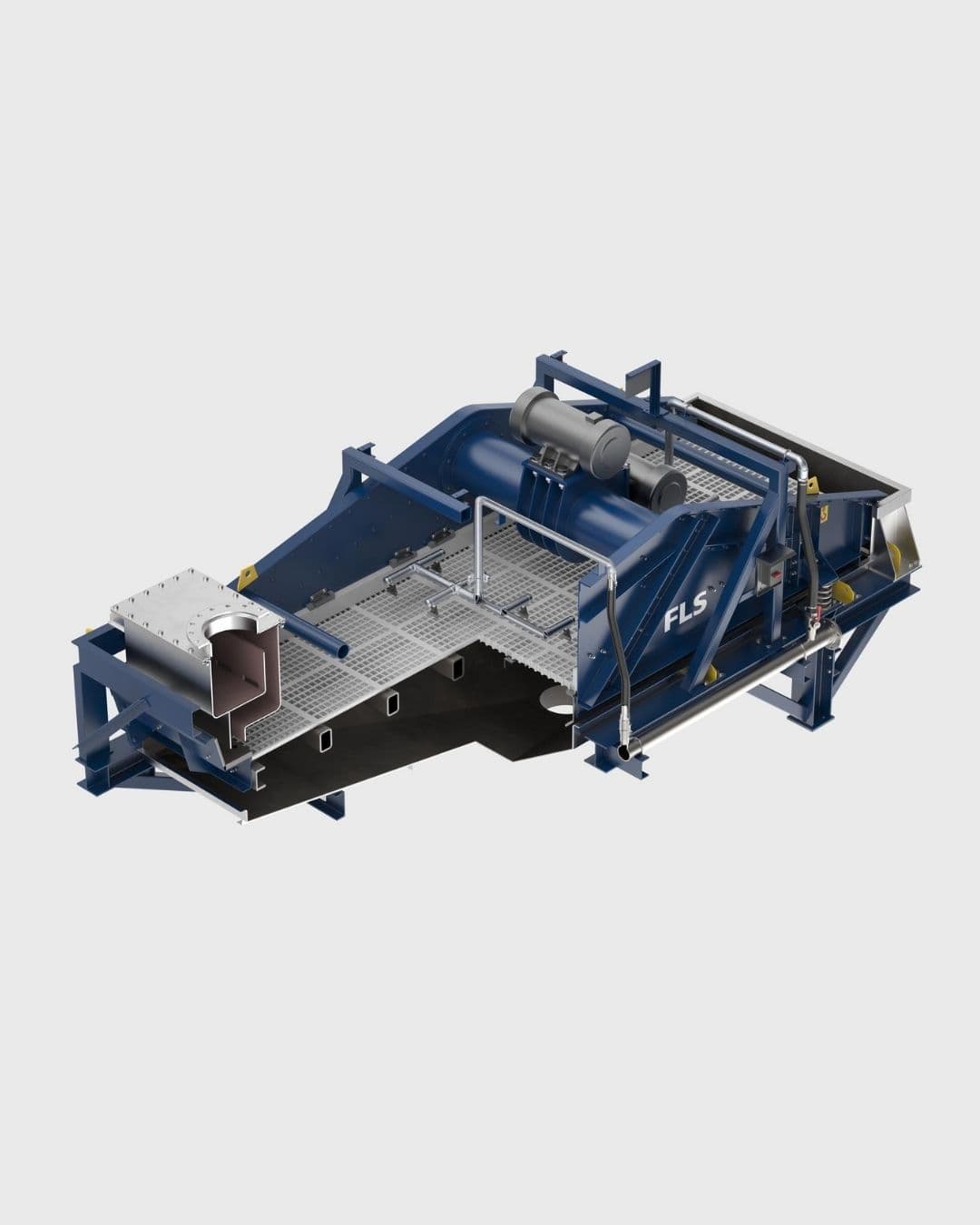
BRX Series screens

VSW Series screens

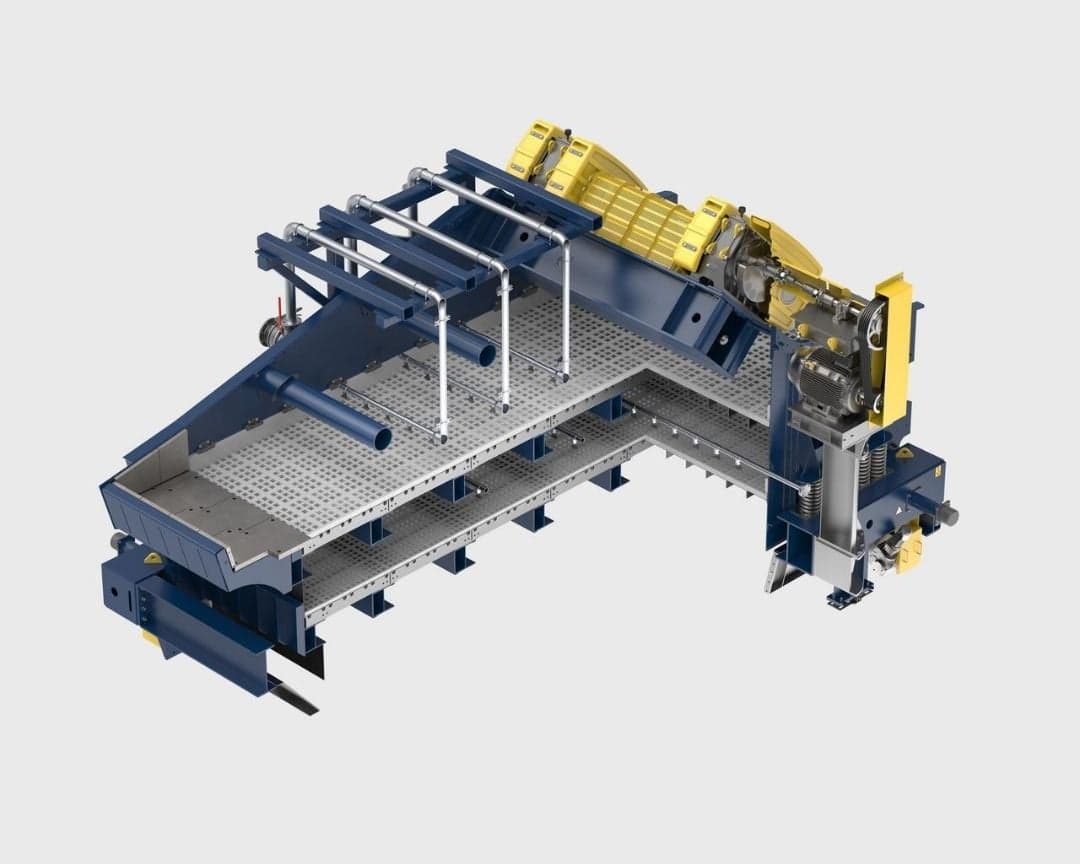
For product and reject drain-and-rinse duties, BRX Series screens provide initial moisture removal and washing stages, with VSW Series screens available as a follow-on solution to polish final moisture targets. This staged approach balances capacity with moisture control, maximising water recovery while maintaining target product specifications. 

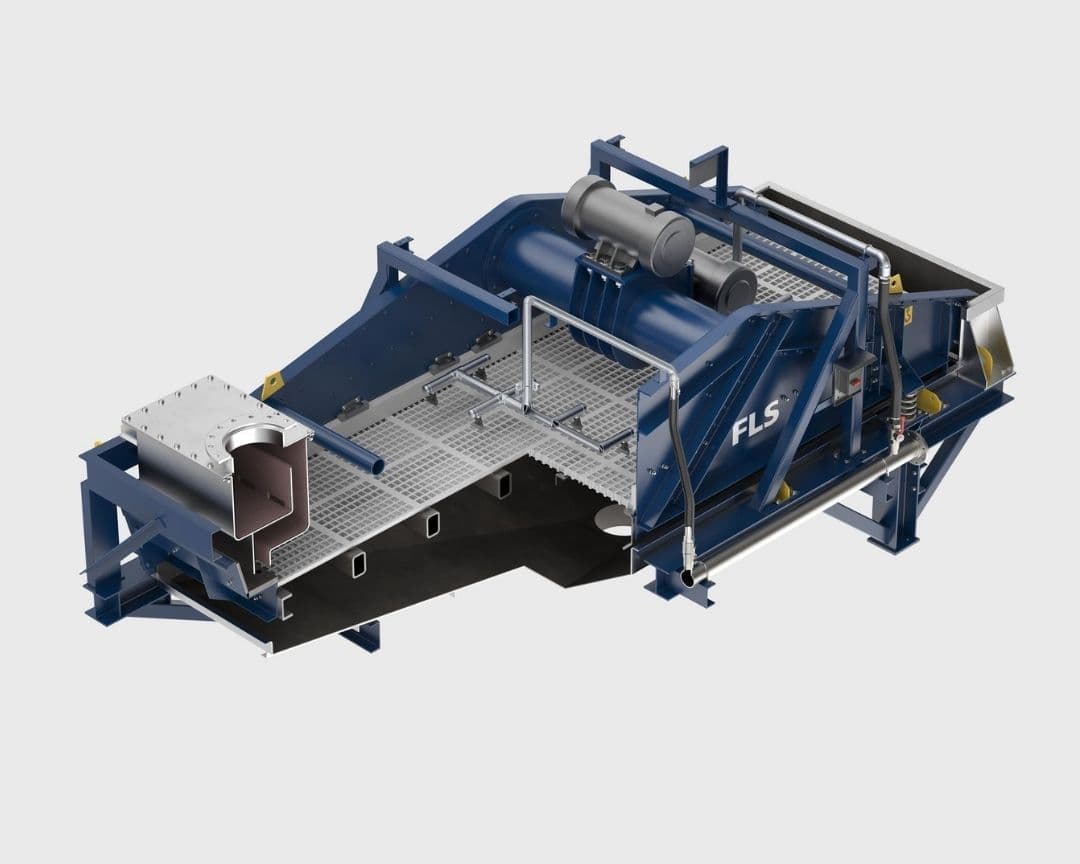
Meanwhile, UHS Series horizontal screens protect process water quality and equipment reliability in trash applications. Positioned at critical points - pump sumps, tank outlets, process water returns - UHS units remove tramp material, debris, and contaminants before they block pumps, damage equipment, or compromise water quality. In gold circuits, UHS Series screens prevent carbon carryover that would impact recovery and cause downstream issues, while in general process water duties, they safeguard recirculation systems and maintain clean feed to sensitive equipment. 

Across all applications, availability is protected through equipment designed for the duty, accessible maintenance layouts, and service programs - including motion analysis, media optimisation, and planned interventions - that maintain consistent dewatering performance and minimise downtime. 

Screening solutions for grinding and classification duties

VSW Series dewatering screens

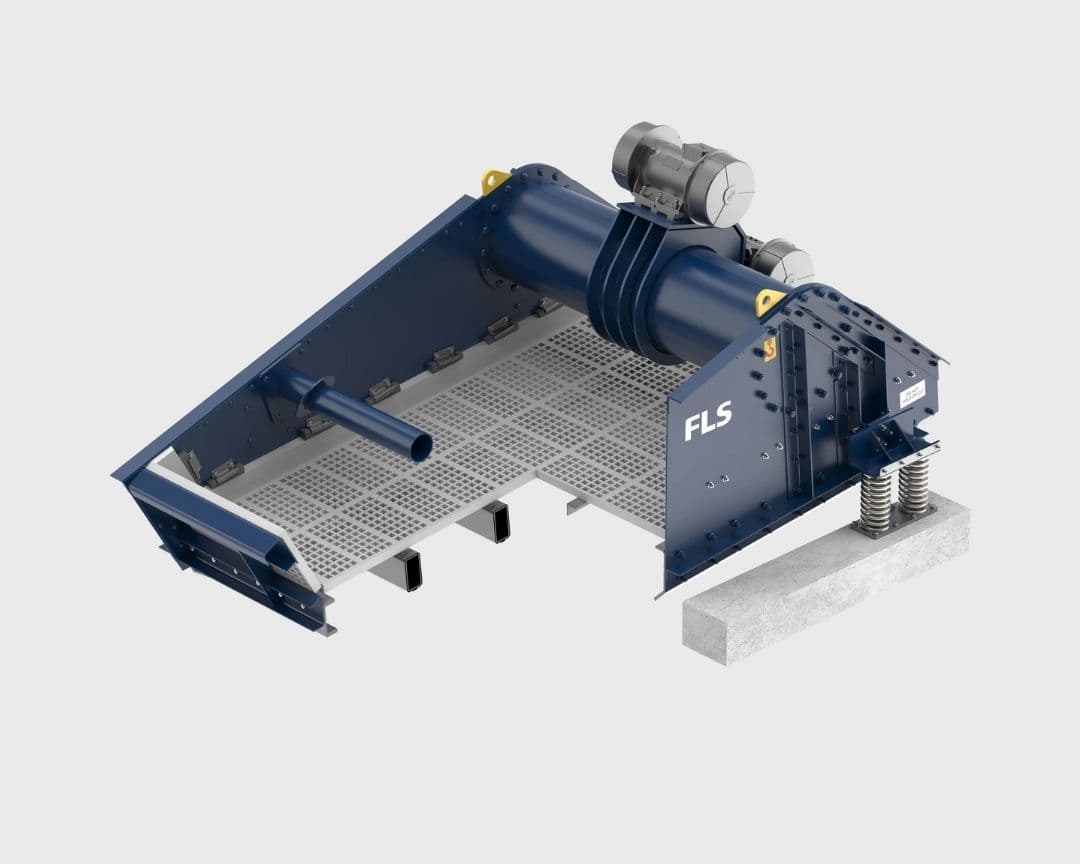
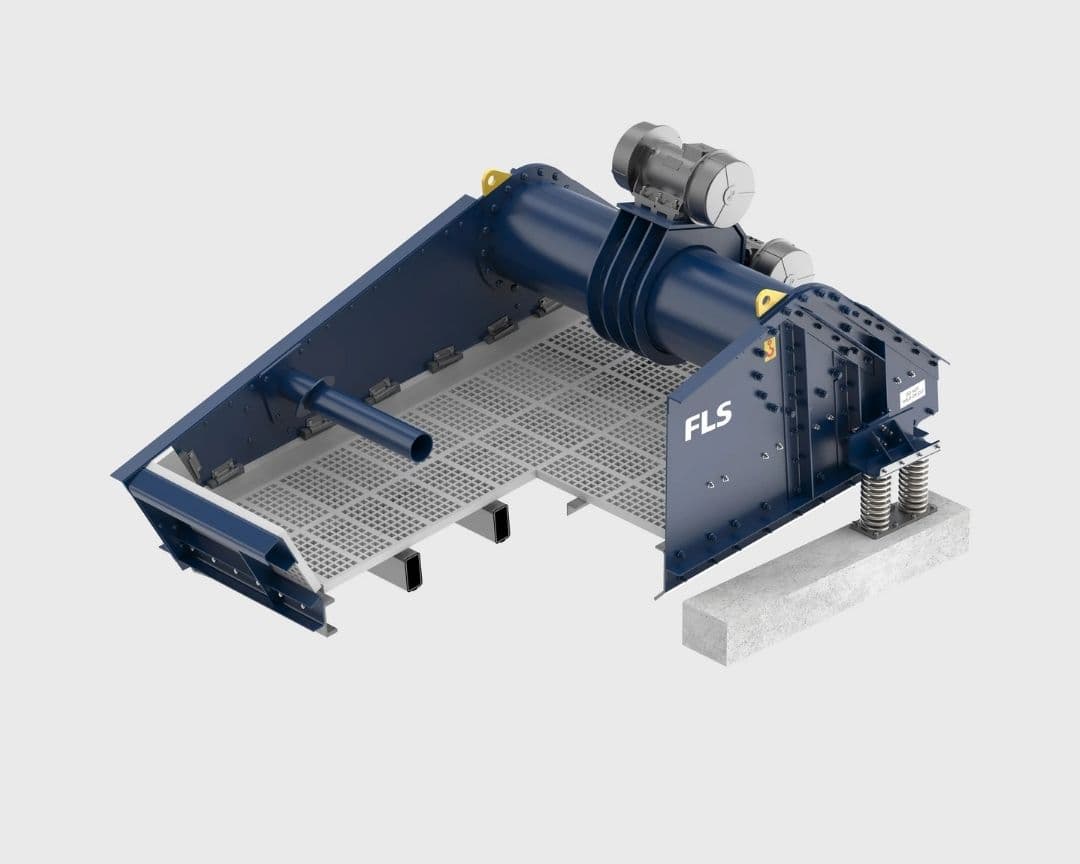
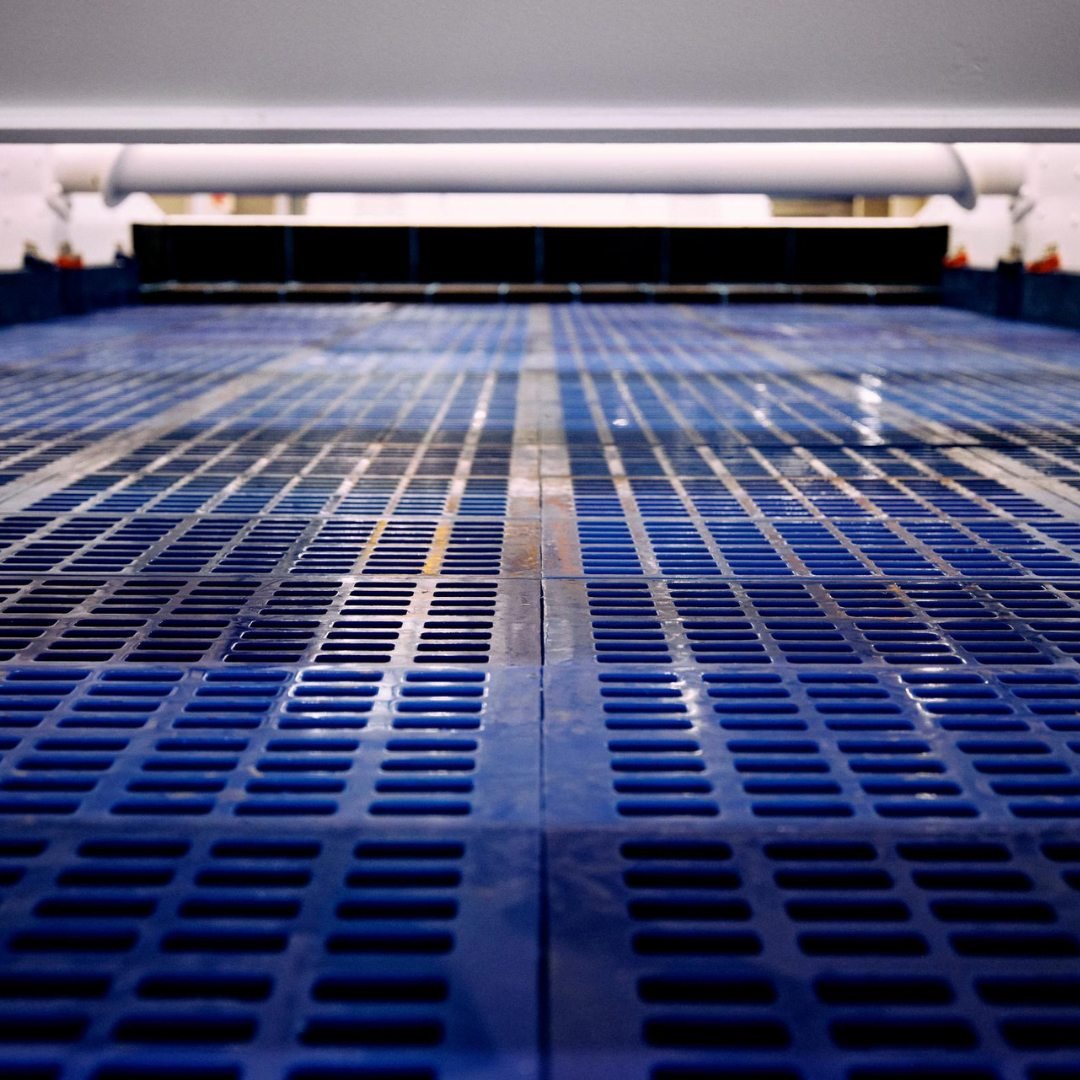
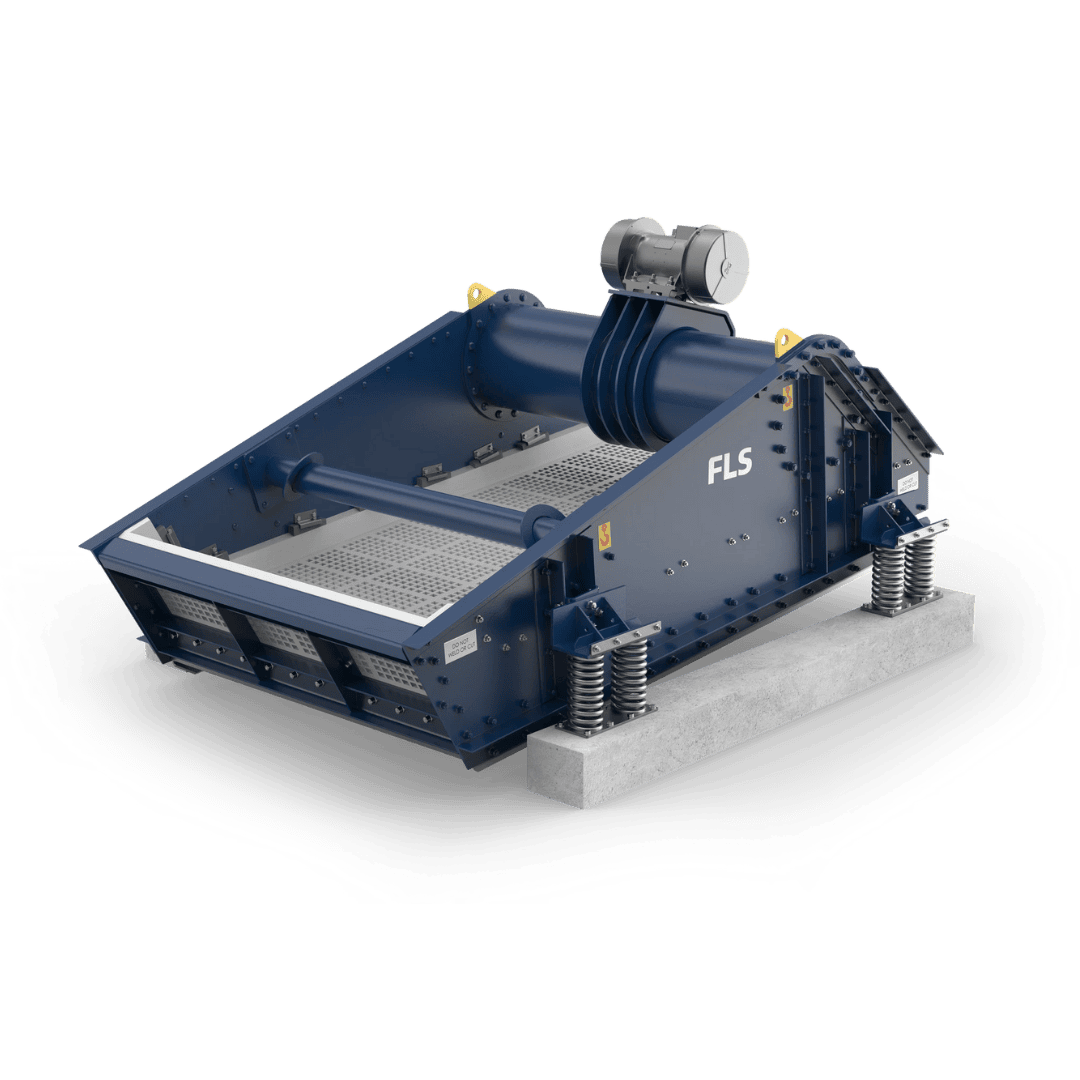
The VSW is a high-frequency, linear-motion dewatering screen driven by twin vibrator motors, engineered to deliver consistently low moisture from fine slurries. High-frequency linear motion generates rapid drainage and tight moisture control, while dewatering-optimised media - urethane or slotted panels - maximise open area and resist blinding. Media selection integrates with motion settings and deck geometry to sustain drainage rates across variable feed conditions. The robust fabricated structure features wear protection and a high open-area dewatering deck for clean product discharge. A compact footprint and an access-friendly layout enable fast inspections and change-outs, while grease-lubricated bearings with accessible service points support maintenance and extend component life. Coil-spring isolation reduces vibration transmission, and the straightforward twin-motor design keeps serviceability predictable and protects availability. 

Validate screening performance without shutting down

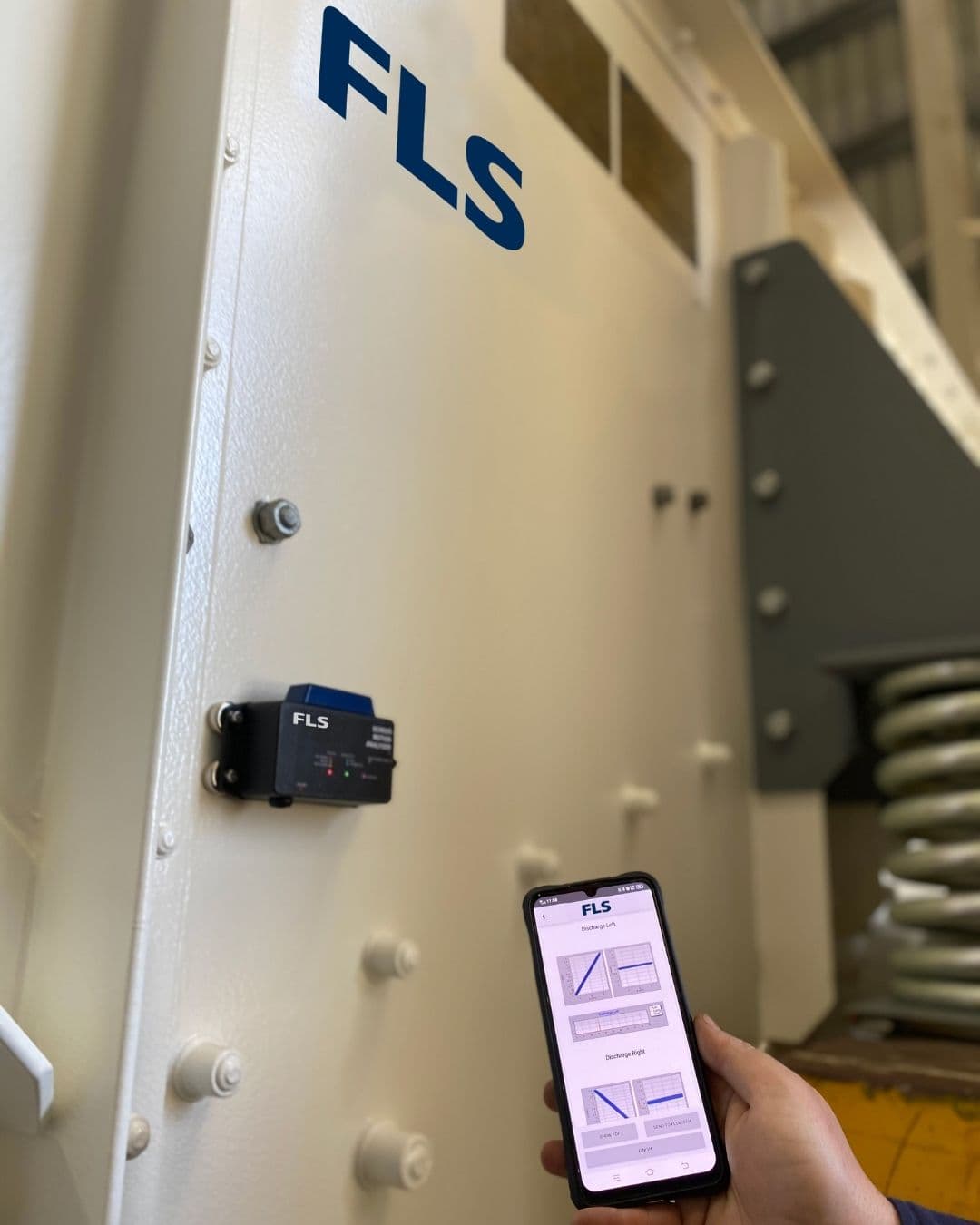
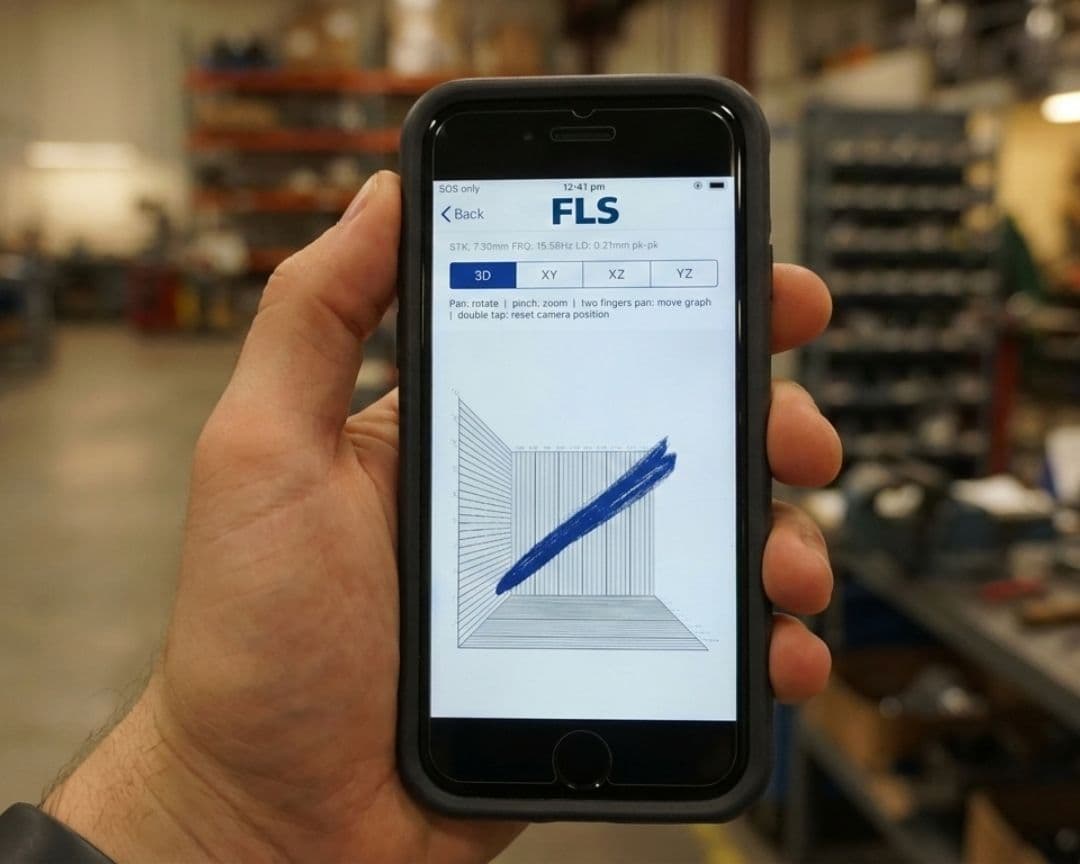
Screening AssetHealth is our onsite diagnostic service that analyses screen performance, identifies potential issues early, and delivers actionable insights to protect availability and optimise efficiency. Using the portable Screen Motion Analyser (SMA), FLS screening experts assess vibration, stroke, frequency, acceleration, and lateral displacement during regular operation—providing same-day clarity on how well each screen is performing and where interventions will deliver the most impact. 

The service flags risks before they become failures: misalignment, exciter degradation, incorrect motion profiles, and wear patterns that threaten component life or compromise cut-size accuracy. With a clear action plan in hand, operators can schedule maintenance during planned outages, avoid costly unplanned stoppages, and extend the working life of critical assets. 

Screening AssetHealth integrates seamlessly with FLS online condition monitoring, enabling trend analysis over time and continuous improvement cycles. Whether you're benchmarking existing screens, validating the impact of upgrades, or commissioning new installations, regular Screen AssetHealth assessments keep screening efficiency high and total cost per tonne low. 

Contact us today to schedule your Screening AssetHealth assessment

Built for more sustainable performance

Frequently asked questions

FAQs for screening solutions for dewatering and process water applications.

VSW dewatering screens deliver consistently low product moisture, with actual levels depending on particle size distribution, slurry characteristics, ore type, and application requirements. FLS screening experts will model the dewatering duty, recommend the appropriate VSW screen configuration and media type (urethane or slotted panels), and validate performance through site trials before full deployment. We also optimise motion settings—frequency, stroke, and deck angle—to maximise drainage rates while maintaining the cut-size accuracy your process requires. Regular Screening AssetHealth assessments help maintain consistent moisture performance as ore characteristics change over time. 

Dewatering screens can significantly reduce downstream equipment loads by recovering water early in the process. VSW Series screens remove water immediately after classification or beneficiation, returning it to the circuit before it reaches thickeners and filters. This early recovery reduces thickener overflow volumes and filter feed rates, potentially downsizing equipment requirements in greenfield projects or extending the operating life of existing thickeners and filters in brownfield operations. The exact impact depends on your circuit configuration, feed characteristics, and target moisture levels. FLS metallurgical and process experts model your complete dewatering flowsheet to quantify the water recovery and equipment capacity benefits. 

Dewatering screens excel at quickly removing free water from relatively coarse slurries with high solids content. They're most cost-effective after classification, beneficiation, or separation stages where water removal at the source reduces downstream equipment loads and improves circuit water balance. Screens are particularly valuable when product moisture matters for handling—conveyors, stockpiles, load-out—or when water recovery needs to happen fast to maintain circuit stability. For very fine slurries or when extremely low final moisture requirements exist, thickeners and filters remain the better choice. Often, the optimal solution combines technologies. FLS process experts will evaluate your complete flowsheet—particle size distribution, target moisture, throughput, and water balance objectives—and recommend the most cost-effective dewatering strategy, whether that's screens alone, screens plus thickeners/filters, or an alternative approach. 

Blinding is managed through three key factors: media selection, motion optimisation, and feed preparation. Dewatering-optimised panels (urethane or slotted designs) maximise open area while resisting plugging, while the specific panel configuration is matched to your particle size distribution and slurry chemistry. Motion settings are tuned to create sufficient particle movement to prevent plugging and maintain drainage efficiency. In some cases, feed preparation (dilution, pH adjustment, or staged dewatering) improves drainage characteristics and reduces the tendency to blinding. Regular Screening AssetHealth assessments will help identify blinding issues early by measuring actual screen motion and drainage performance, allowing you to adjust operating parameters before throughput suffers. Timely replacement of worn panels also maintains the open area and prevents progressive blinding. For challenging applications, our process experts can recommend spray systems, deck designs, or operational changes that minimise blinding while protecting dewatering performance. 

FLS dewatering screens deliver sustainability benefits throughout the water management cycle. Water stewardship is the primary advantage: screens recover water at the source and return it to the circuit immediately, reducing freshwater intake and supporting closed-loop operations. This early recovery also cuts the volume of water reporting to thickeners and filters, lowering overall energy consumption per tonne processed. Extended component life reduces replacement frequency and material consumption over the asset lifecycle. On the safety side, using UHS trash screens prevents hazardous material from entering process water systems, protecting both personnel and equipment, while maintenance-friendly designs minimise human-machine interactions.  

FLS screens deliver sustainability benefits throughout the comminution circuit. Energy efficiency gains are significant: accurate classification at SAG discharge and in mill circuits reduces over-grinding and lowers specific energy consumption per tonne - often the largest energy user in mining operations. By removing correctly sized material early, screens help mills work only on particles that need grinding, cutting unnecessary kWh consumption. Water stewardship improves through VSW dewatering screens that recover process water at the source, returning it to the circuit sooner and reducing demand on energy-intensive thickeners and filters. Extended component life through vibration isolation, optimised motion profiles, and precision-engineered spares reduces material consumption and waste over the asset lifecycle. Safety improves through UHS trash and safety screens that remove hazardous tramp material before it causes equipment damage or personnel risk, while access-friendly maintenance designs minimize human-machine interactions. On the process side, FLS specialists support operations with expert circuit design and operating envelopes optimised for lower water and energy intensity, with lifecycle support to maintain performance as conditions change.