Grinding and classification screens

Keep your grinding circuits efficient and balanced

Using FLS screens in grinding and classification applications helps sharpen particle size control, stabilise mill discharge, and protect downstream equipment. We match screen type, geometry, and media to specific duties to reduce over-grinding, maintain circuit efficiency, and keep throughput on target.

Home/.../Screening/Grinding and classificati...

Key benefits of FLS screens for grinding and classification circuits

  • Stable circulating load

    Screen and media packages tailored to PSD targets avoid over-grinding and maintain consistent flow to downstream separation, keeping energy use efficient and mill performance predictable.

  • High availability operations

    Access-friendly layouts, proven drive packages, and protected wear zones compress shutdown duration, while standby exchange bodies reduce recovery time after damage, protecting production schedules.

  • Predictive monitoring

    Modular online condition monitoring tracks exciter health and motion quality across all screen types, while early fault detection improves safety, prevents catastrophic failures, and keeps production on plan.

  • Assured performance changeover

    Motion-based audits and site trials de-risk upgrades of existing setups, while process experts ensure seamless integration with cyclones, mills, pumps, and water balance objectives.

  • Greenfield efficiency focus

    Designs and operating envelopes are selected to support lower water and energy intensities from commissioning onward, with lifecycle support to sustain efficiency gains as ore characteristics evolve.

Screens in grinding and classification circuits

By keeping only the material that needs further grinding in the mill while allowing on-spec material to move forward to separation, screening plays an essential role in reducing energy waste and maintaining a stable cyclone feed. When screening underperforms through blinding, incorrect motion, or equipment failure, however, mills over-grind, recirculating loads climb, and energy consumption increases while throughput suffers. 

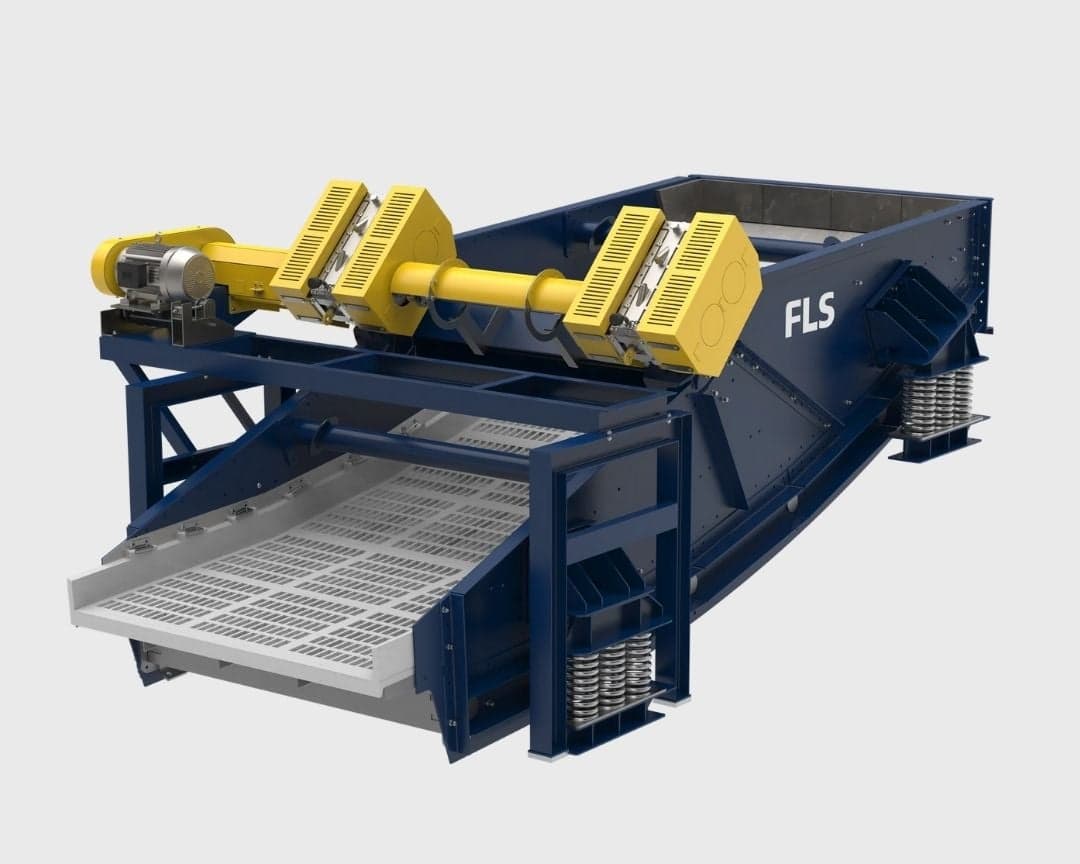
FLS screening solutions address these challenges across multiple circuit positions. At SAG mill discharge, BRX Series screens - typically in a horizontal configuration -remove correctly sized material early, reducing recirculating load and lowering specific energy consumption at the mill. Meanwhile, for wet and dry classification duties, the BRX Series screens provide precise particle-size separation for downstream flotation, gravity separation, or product specifications.  
BRX Series screens

UHS Series horizontal screens

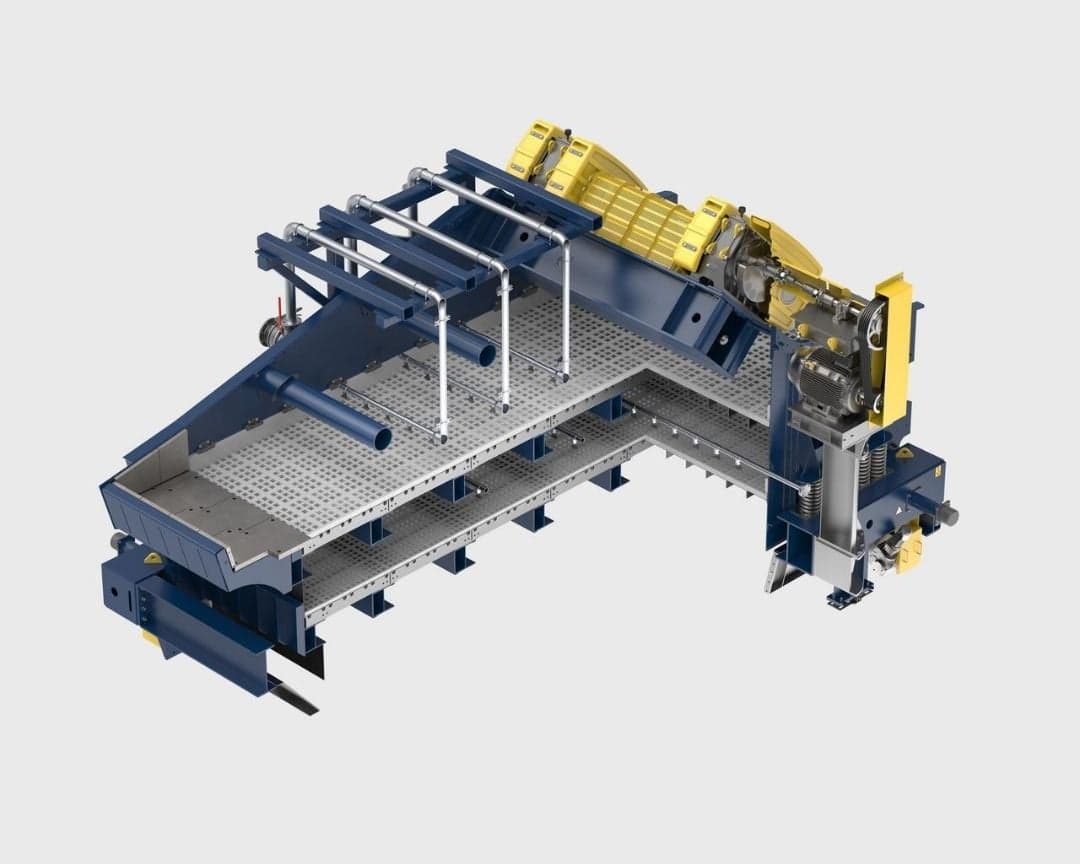
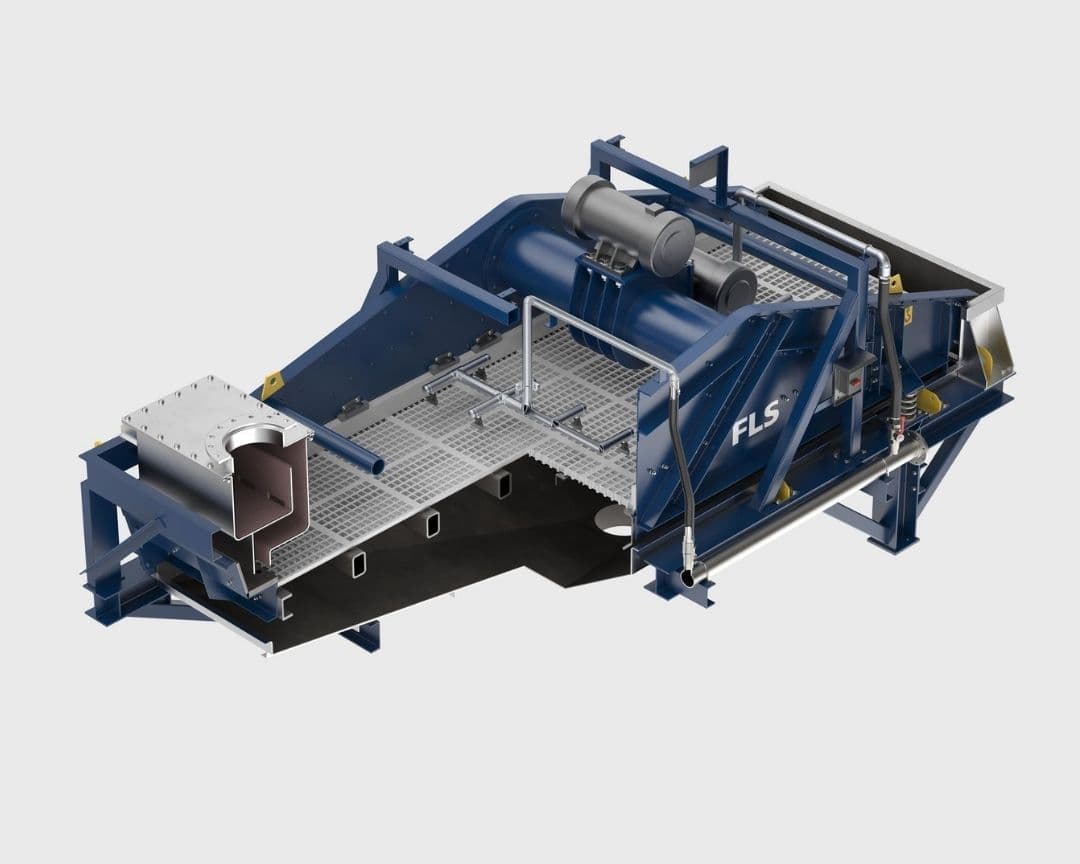
In desliming applications, BRX Series screens - in inclined or multi-slope configurations - control cut points effectively, with VSW Series dewatering screens available as a follow-on solution where ultra-fine moisture control is required. This staged approach maximises water recovery while maintaining target particle size distribution. For safety and protection duties, UHS Series horizontal screens serve as reliable trash barriers. Positioned at sump outlets, tank discharges, and pump feeds, UHS units remove tramp material - wood, plastics, rags - and foreign objects before they reach cyclones, pumps, or downstream processing equipment.  

Across all these applications, availability is protected through application-specific equipment specification, intelligent monitoring, and service programmes - including screen audits, motion analysis, exchange bodies, and planned maintenance support- that compress intervention time and keep circuits stable.

Screening solutions for grinding and classification duties

BRX Series screens

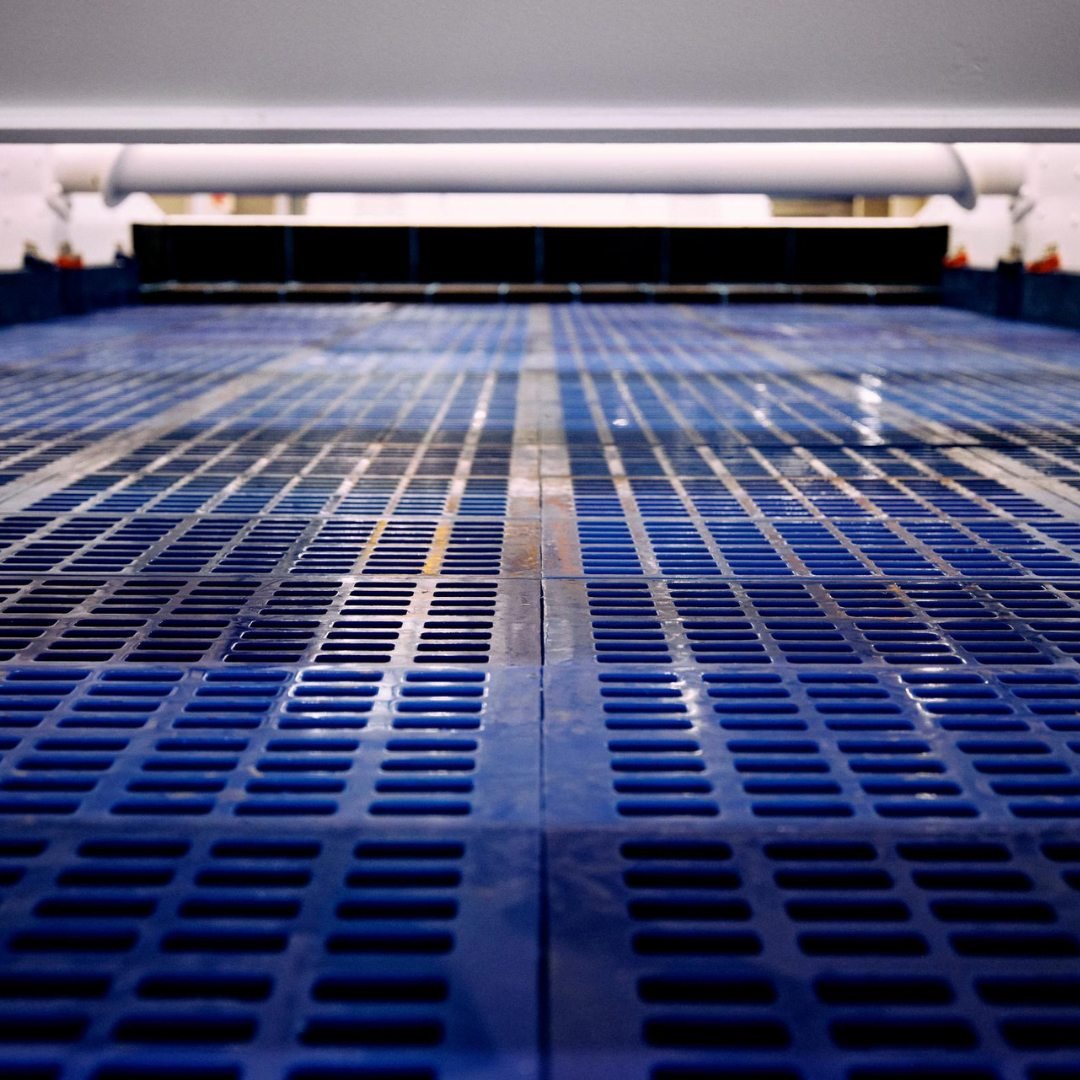
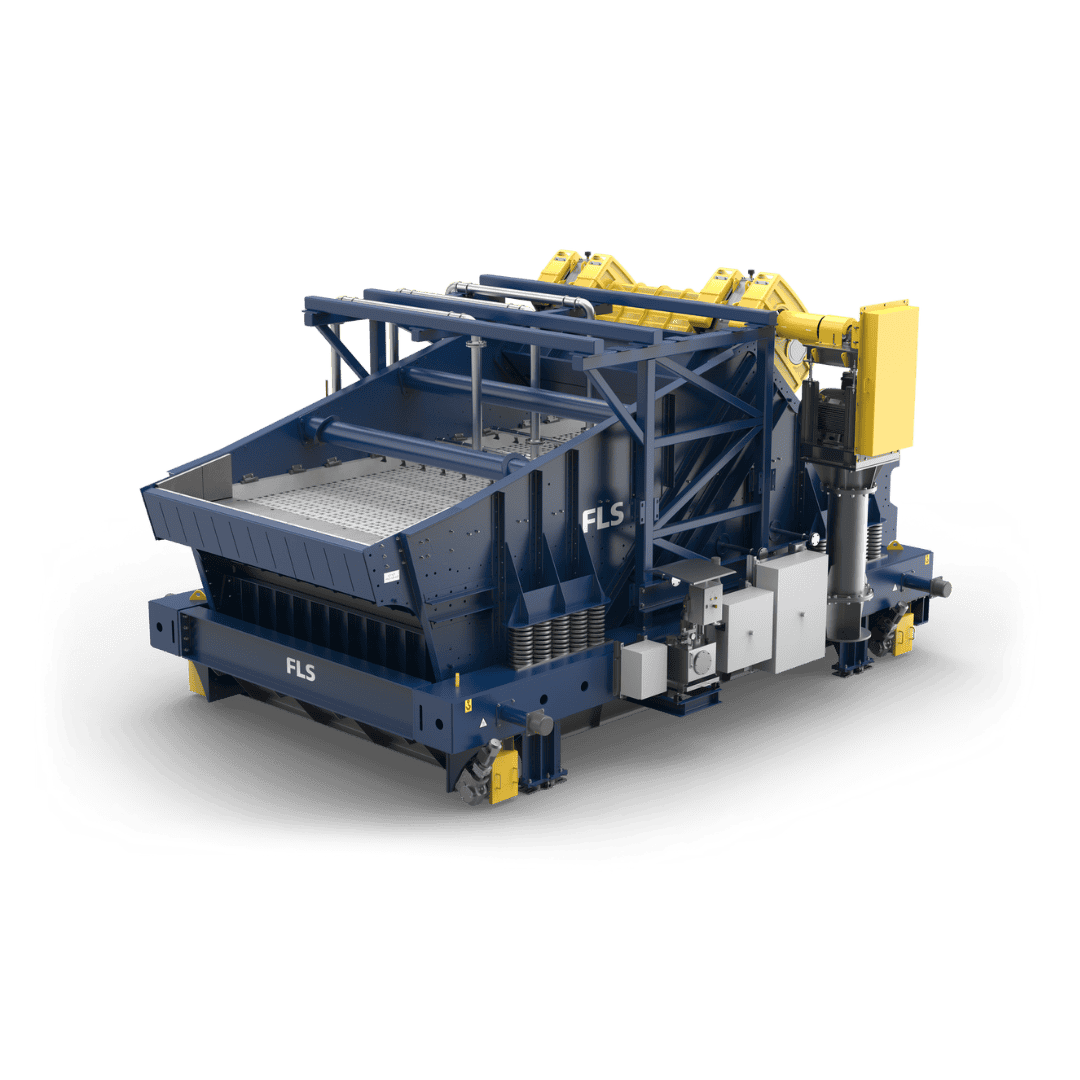
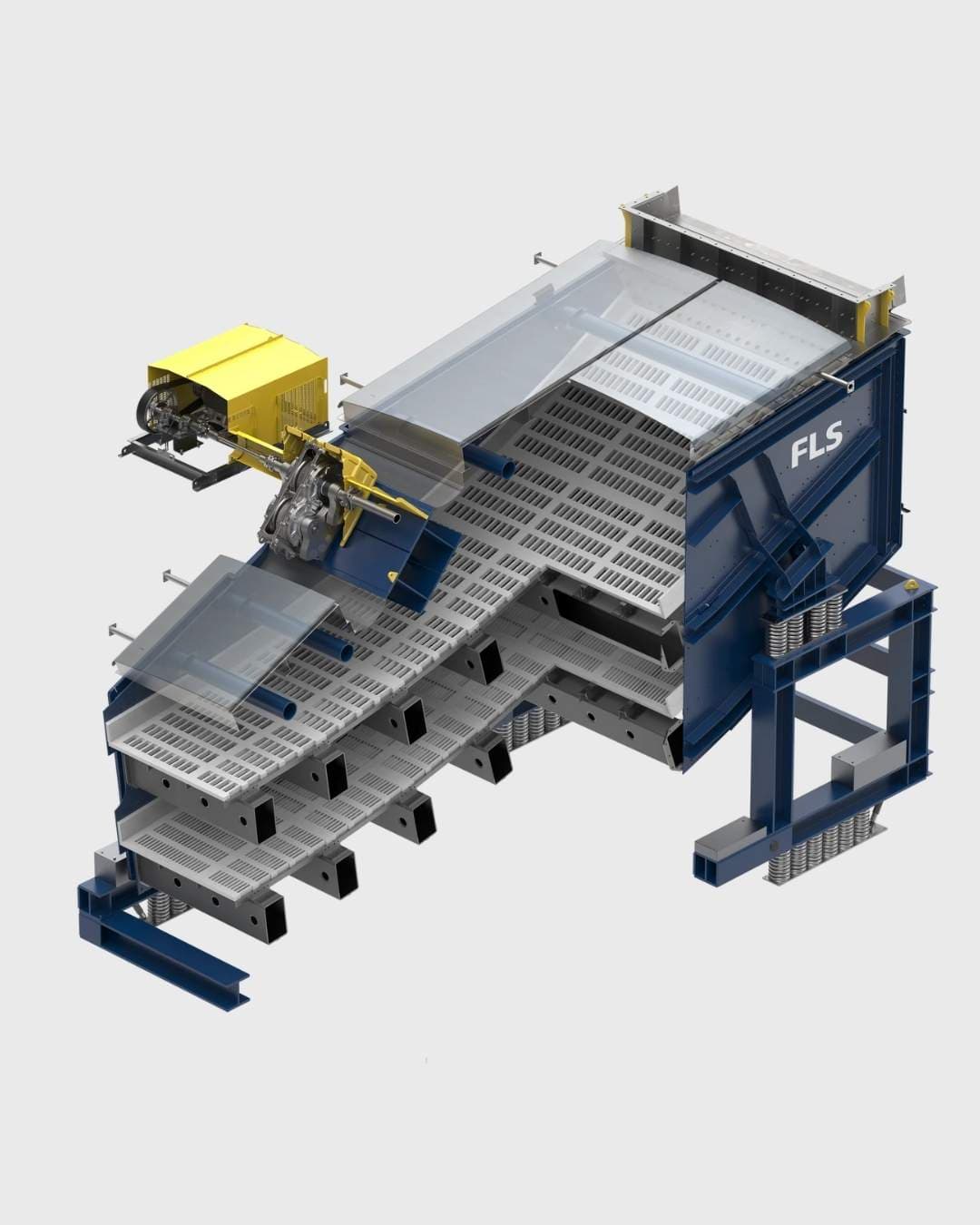
BRX Series screens are built for high availability and efficiency in grinding and classification circuits. With the industry's most extensive size range - up to 4.8 m wide x 11 m long - and high G-force capability, these screens maintain target cut sizes at required capacity across SAG mill discharge, wet and dry classification, and desliming applications. Media flexibility supports modular panels, cross-tensioned cloths, and bolted panels to match ore conditions and optimise open area, wear life, and cut-size accuracy. Stress-relieving frames, vibration-isolating mounting, advanced exciter options with patented bearing lubrication, and precisely fitting components ensure structural integrity under extreme loads while extending maintenance intervals and enabling fast, safe refits. 

Validate screening performance without shutting down

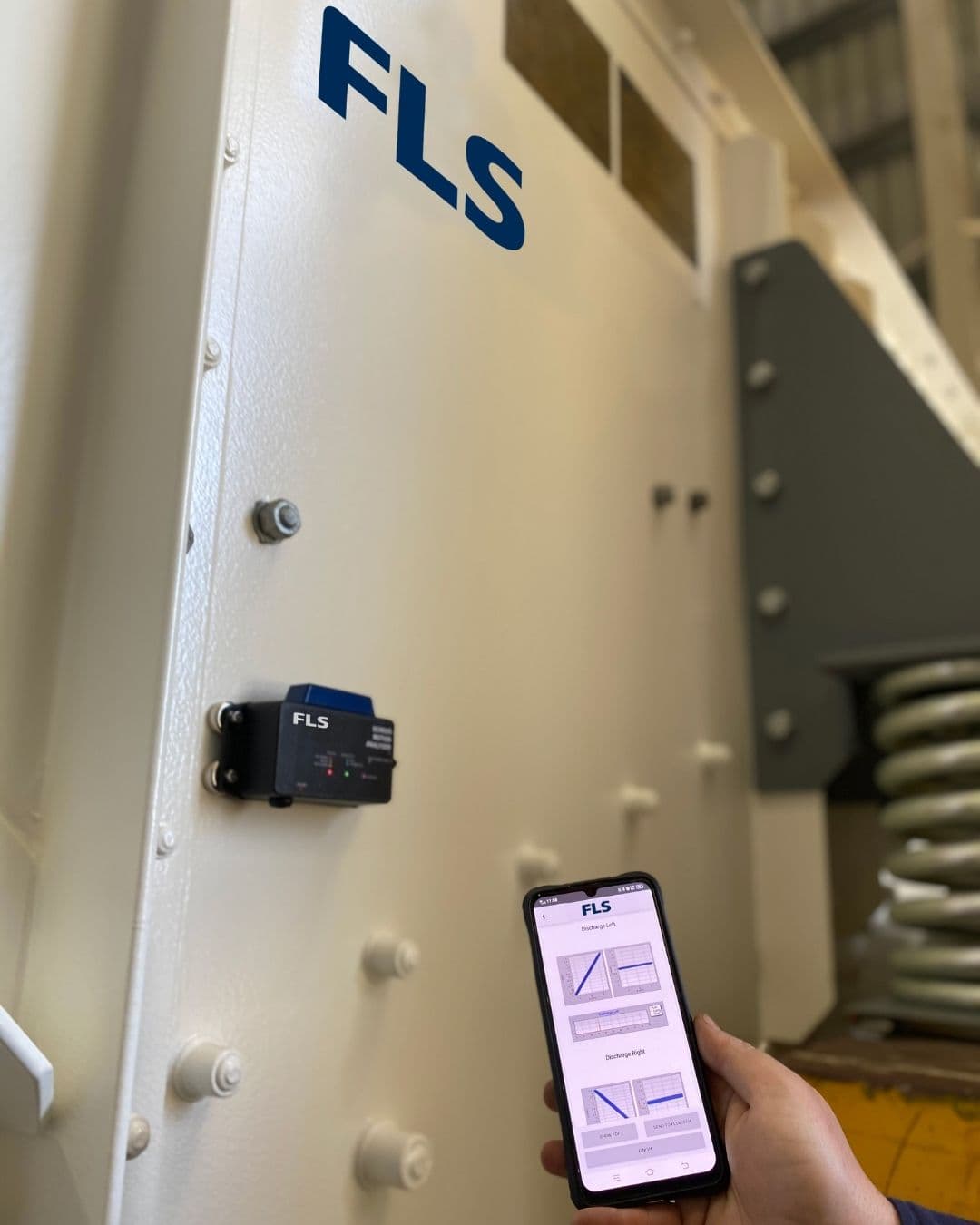
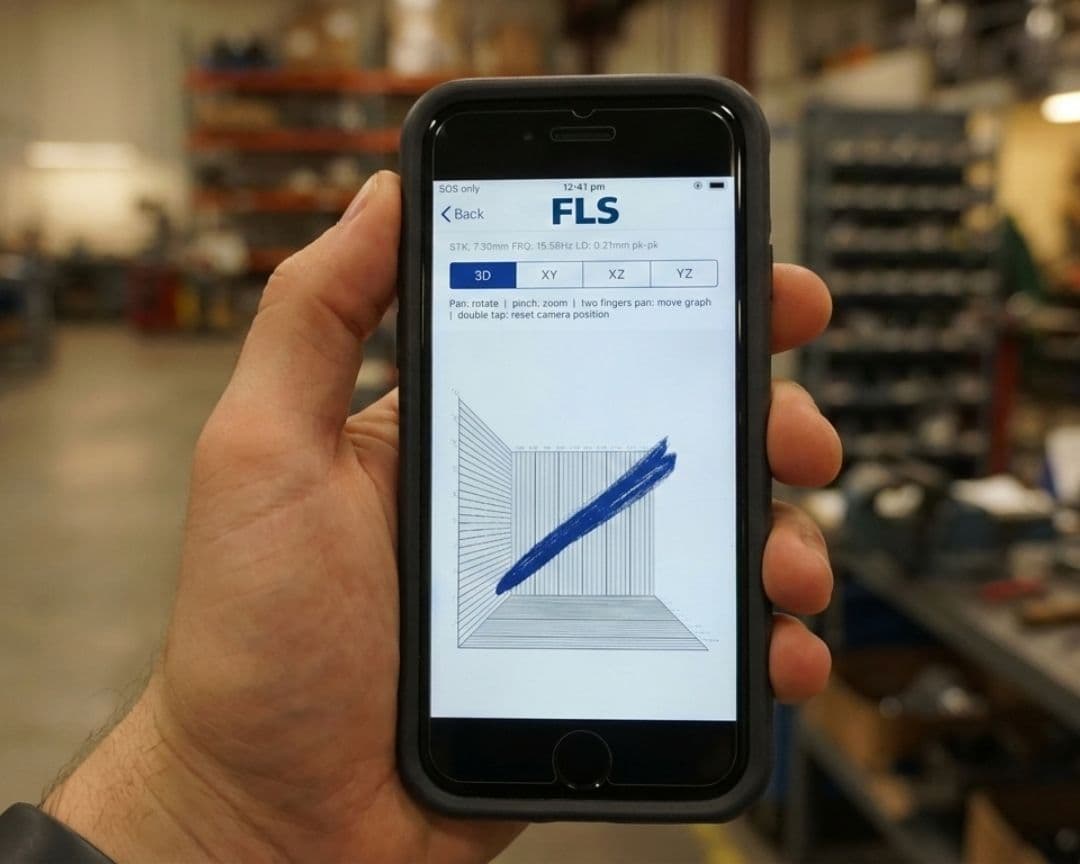
Screening AssetHealth is our onsite diagnostic service that analyses screen performance, identifies potential issues early, and delivers actionable insights to protect availability and optimise efficiency. Using the portable Screen Motion Analyser (SMA), FLS screening experts assess vibration, stroke, frequency, acceleration, and lateral displacement during regular operation - providing same-day clarity on how well each screen is performing and where interventions will deliver the most impact. 

The service flags risks before they become failures: misalignment, exciter degradation, incorrect motion profiles, and wear patterns that threaten component life or compromise cut-size accuracy. With a clear action plan in hand, operators can schedule maintenance during planned outages, avoid costly unplanned stoppages, and extend the working life of critical assets. 

Screening AssetHealth integrates seamlessly with FLS online condition monitoring, enabling trend analysis over time and continuous improvement cycles. Whether you're benchmarking existing screens, validating the impact of upgrades, or commissioning new installations, regular Screen AssetHealth assessments keep screening efficiency high and total cost per tonne low. 

Contact us today to schedule your Screening AssetHealth assessment

Built for more sustainable performance

Frequently asked questions

FAQs for screening solutions for grinding and classification applications.

SAG mill discharge screening typically benefits from horizontal BRX Series configurations that maximise deck area and handle high tonnages with impact resistance. Horizontal orientation removes correctly sized material early, cutting recirculating load back to the mill and reducing specific energy consumption. The key is matching screen size, media, and motion profile to your mill throughput and target cut size. FLS screening process experts work with you to model the circuit, validate the configuration through motion analysis, and tune operating parameters to your ore characteristics. Site trials de-risk the approach before full implementation, ensuring the screen integrates seamlessly with mill discharge, pump capacity, and cyclone feed requirements. 

If you're experiencing pump blockages, cyclone plugging, or downstream equipment damage from tramp material - wood, bolts, liner fragments, rags - a UHS safety screen positioned at critical points (sump outlets, tank discharges, pump feeds) prevents these issues from becoming stoppages. Warning signs include frequent unplanned maintenance to clear blockages, pump trips, or visible tramp material in your process streams. FLS screening experts will audit your circuit to identify where protection screening would deliver the greatest impact on availability, then specify and size UHS units to match your flow rates and space constraints - often as retrofit installations with minimal disruption. 

If you're seeing carbon carryover into tailings or product streams in your gold circuit, a UHS carbon safety screen protects recovery and prevents downstream issues. FLS screening specialists can audit the circuit to identify where a safety screen will deliver the greatest benefit, specifying and sizing the UHS unit to your flow rates and available footprint - often as a retrofit with minimal disruption. 

Yes - and the impact can be significant. VSW dewatering screens remove water at the source, immediately after classification or beneficiation, returning process water to the circuit before it reaches thickeners and filters. This early water recovery reduces thickener overflow rates and eases filter duty, improving water balance across the plant and enabling cleaner, more conveyable product. The key is proper VSW sizing and media selection for your slurry characteristics - particle size distribution, solids content, and target moisture all influence performance. FLS screening specialists model the dewatering duty, recommend the appropriate VSW configuration, and validate performance through site trials to ensure you achieve the moisture targets and water recovery rates that justify the investment. 

FLS de-risks screen upgrades through a staged approach. An audit of existing screens with motion analysis benchmarks current performance and identifies issues (stroke, frequency, media wear, structural problems). Based on the audit results, our screening specialists will first recommend quick-win actions for your existing screens. If pursuing new screens, we validate the approach through site trials, confirming cut-size accuracy, capacity, and integration with cyclones and downstream equipment before rolling out across the circuit. Our metallurgical experts also model the circuit impact to ensure changes don't create bottlenecks or compromise grind quality. Installation is planned during scheduled shutdowns, with exchange bodies and commissioning support to compress downtime.  

FLS screens deliver sustainability benefits throughout the comminution circuit. Energy efficiency gains are significant: accurate classification at SAG discharge and in mill circuits reduces over-grinding and lowers specific energy consumption per tonne - often the largest energy user in mining operations. By removing correctly sized material early, screens help mills work only on particles that need grinding, cutting unnecessary kWh consumption. Water stewardship improves through VSW dewatering screens that recover process water at the source, returning it to the circuit sooner and reducing demand on energy-intensive thickeners and filters. Extended component life through vibration isolation, optimised motion profiles, and precision-engineered spares reduces material consumption and waste over the asset lifecycle. Safety improves through UHS trash and safety screens that remove hazardous tramp material before it causes equipment damage or personnel risk, while access-friendly maintenance designs minimize human-machine interactions. On the process side, FLS specialists support operations with expert circuit design and operating envelopes optimised for lower water and energy intensity, with lifecycle support to maintain performance as conditions change.