Industrial pumping

Reliable slurry handling for material processing

Achieve high efficiency, productivity, and reliability in demanding aggregate processing applications. Originally designed for the mining industry, KREBS® pumps, cyclones, and valves excel in operations where extended wear life, consistent separation performance, and minimised downtime are critical to profitability.

Home/Pumping/KREBS solutions for mater...

Key benefits of KREBS material processing solutions

  • Reduce pump wear and power consumption

    With their adjustable wear ring, KREBS slurry pumps eliminate suction-side recirculation. This prevents in-pump grinding of material, extending impeller life while reducing changeout frequency. Meanwhile, improved hydraulic efficiency delivers 10-15% lower power consumption compared to conventional designs, reducing operating costs per tonne processed.

  • Boost fine recovery with superior cyclone classification

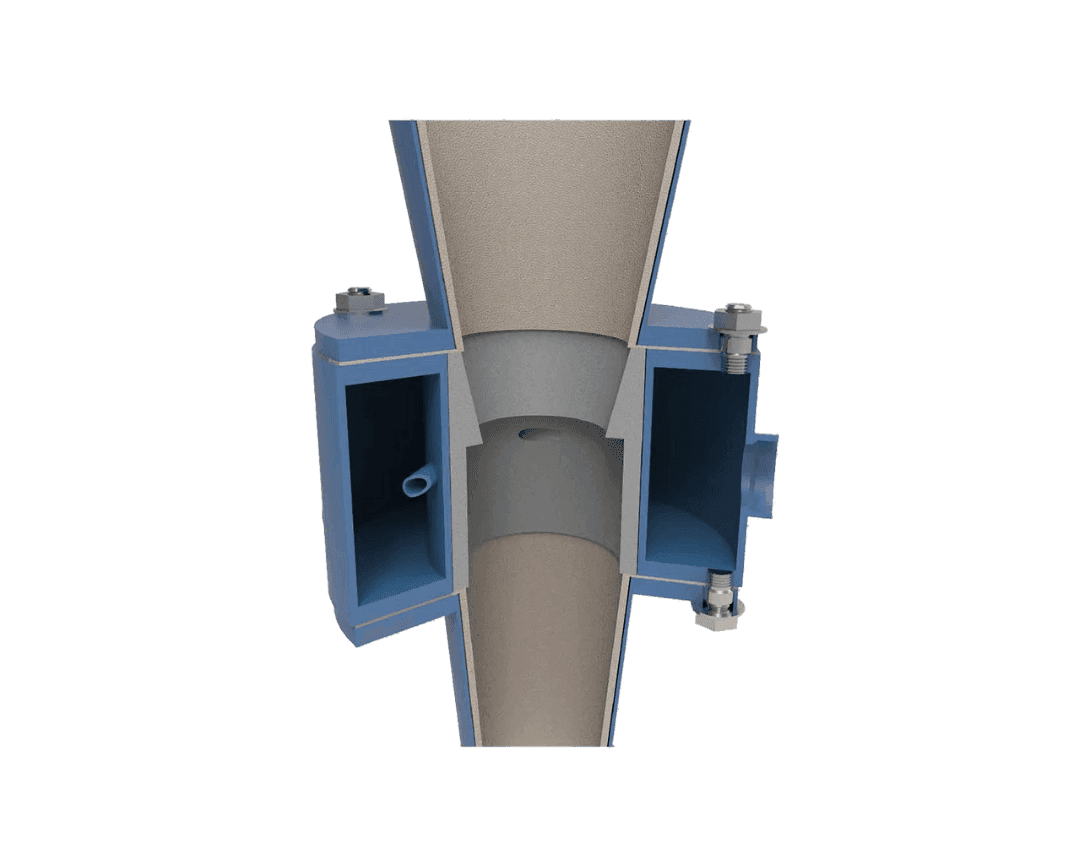
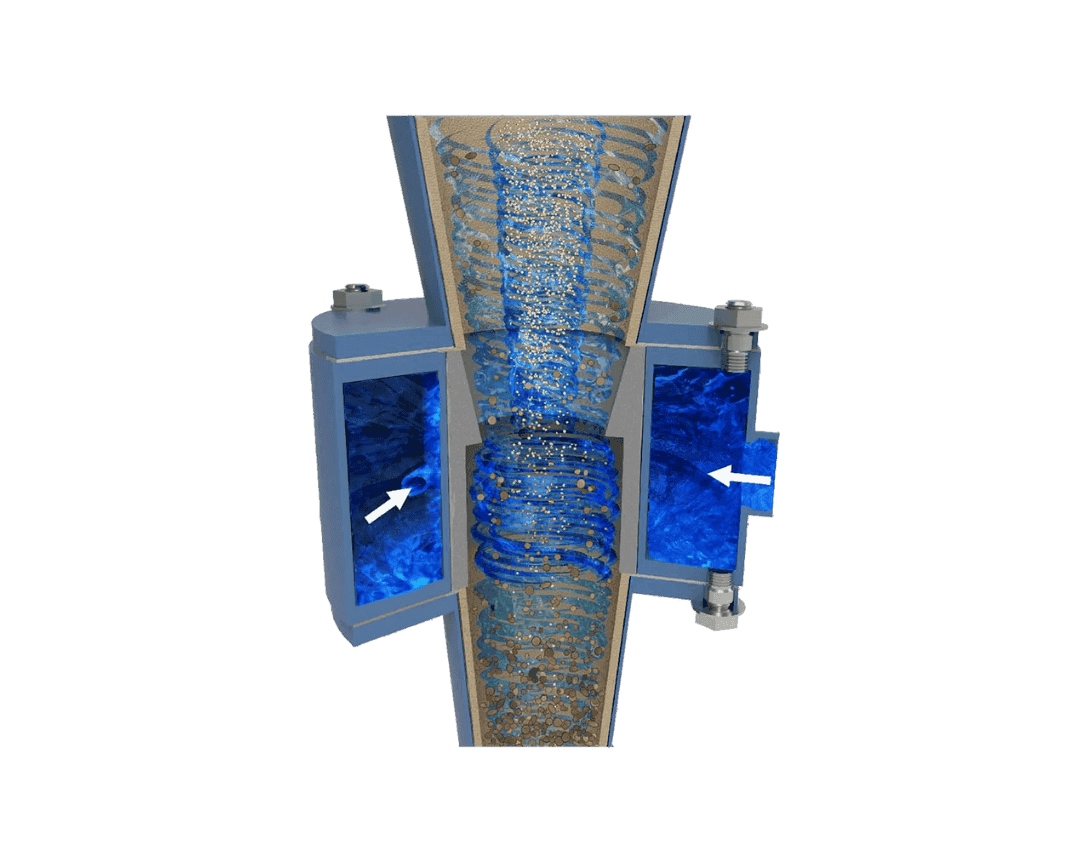
    KREBS gMAX® cyclones provide precise particle separation at high capacities. An innovative inlet head geometry pre-classifies feed solids and minimises turbulence, reducing material misplacement to the overflow. The CycloStack and CycloWash accessories further enhance underflow quality, allowing direct discharge onto conveyors or into stockpiles without additional processing.

  • Efficiently handle large solids

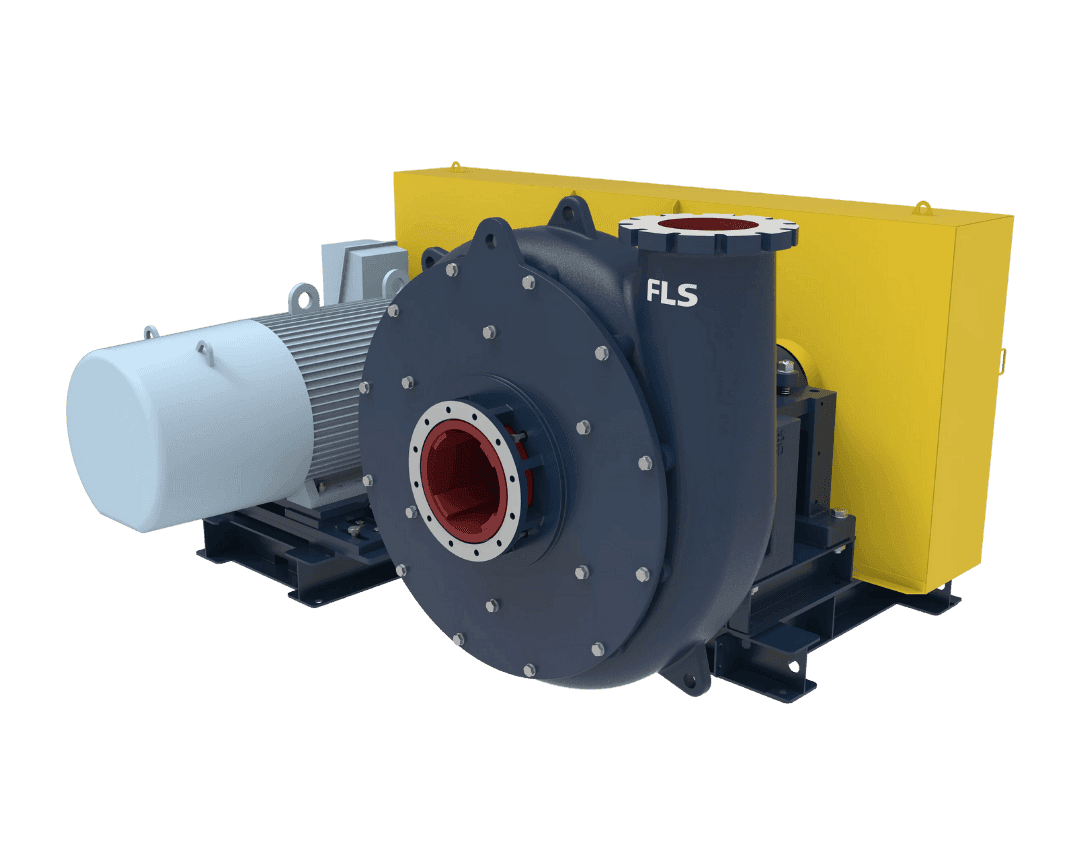
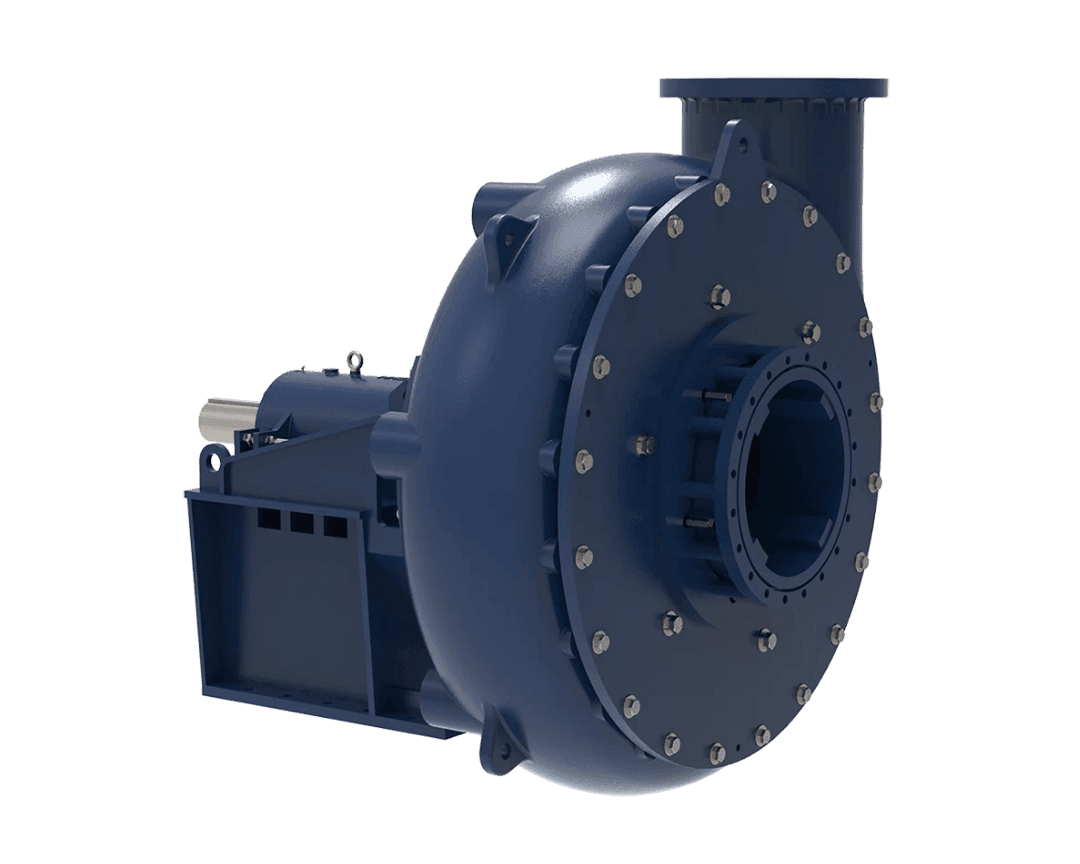
    KREBS gravelMAX pumps feature wide-diameter impellers and increased cutwater clearances to optimise passing size. At the same time, eliminating suction-side recirculation with the adjustable wear ring increases the achievable vacuum, improving pump capacity in challenging applications with high static lift or long suction lines.

KREBS® pumping and flow control solutions for material processing

slurryMAX: Extended service life and safer maintenance

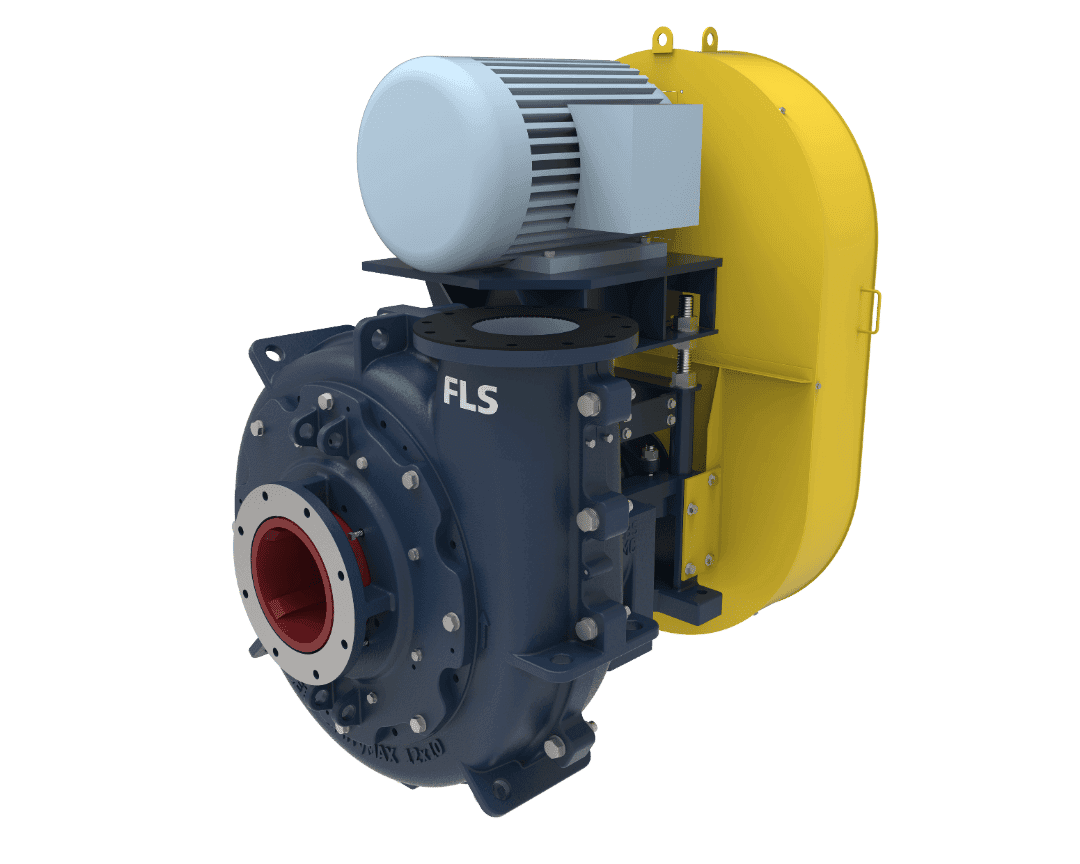
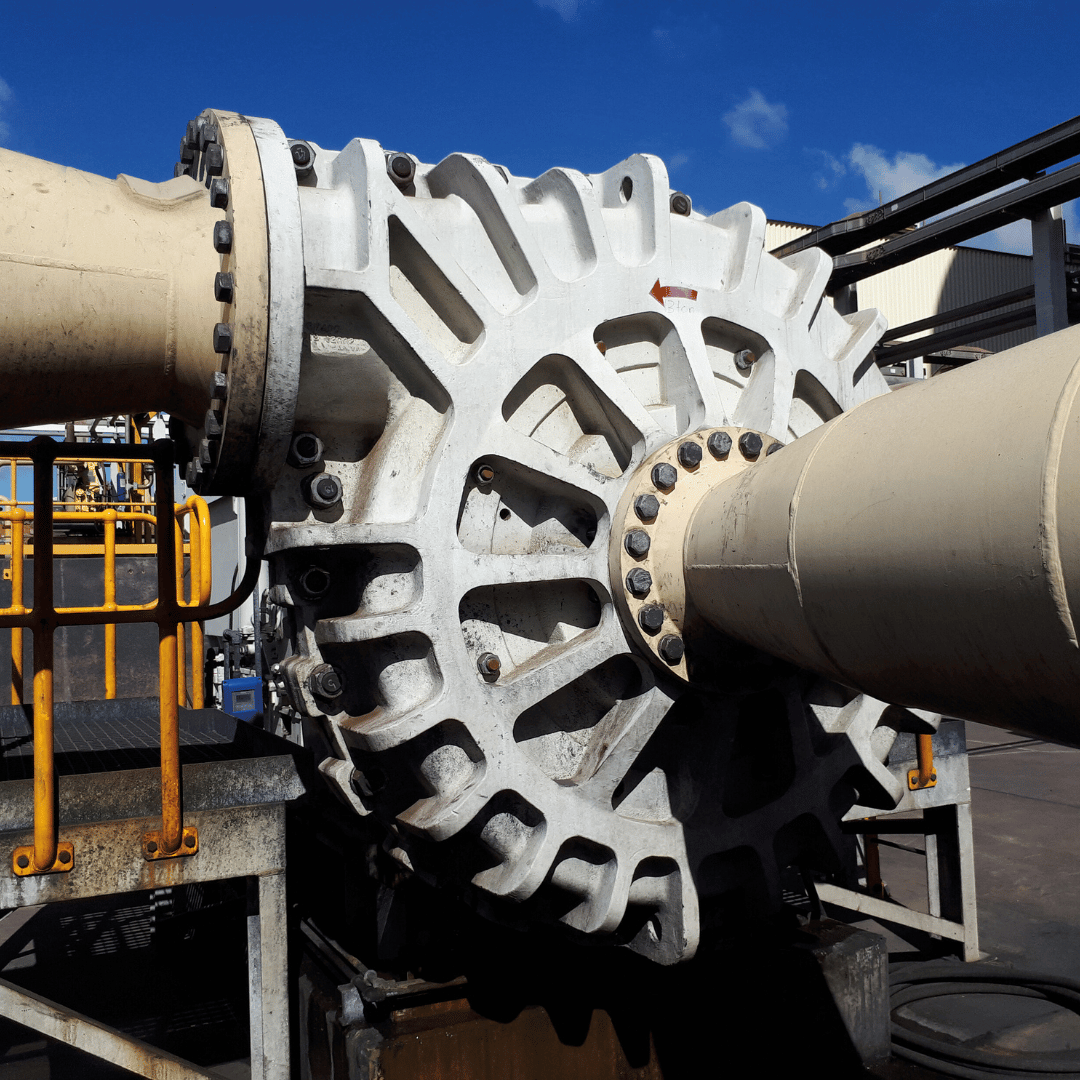
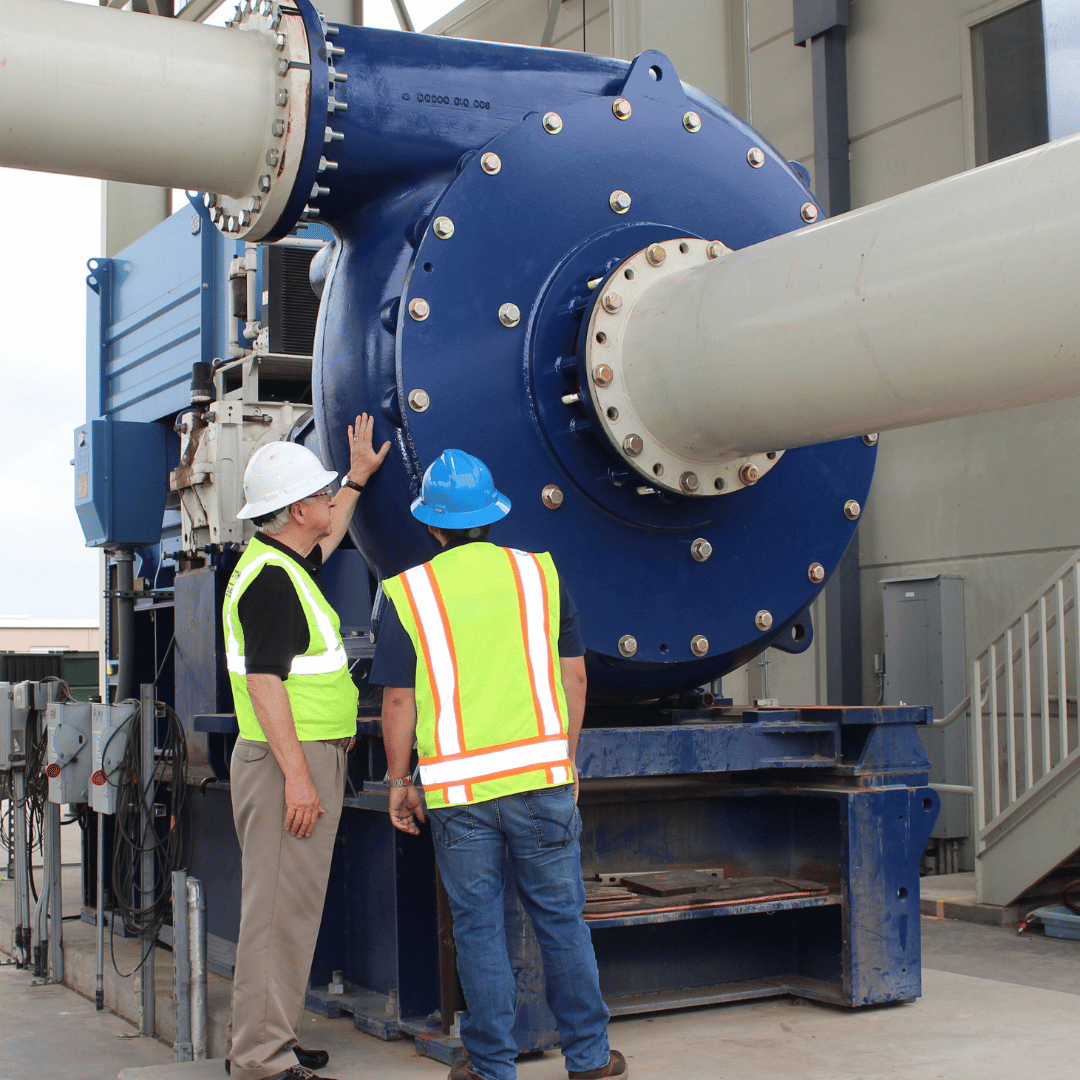
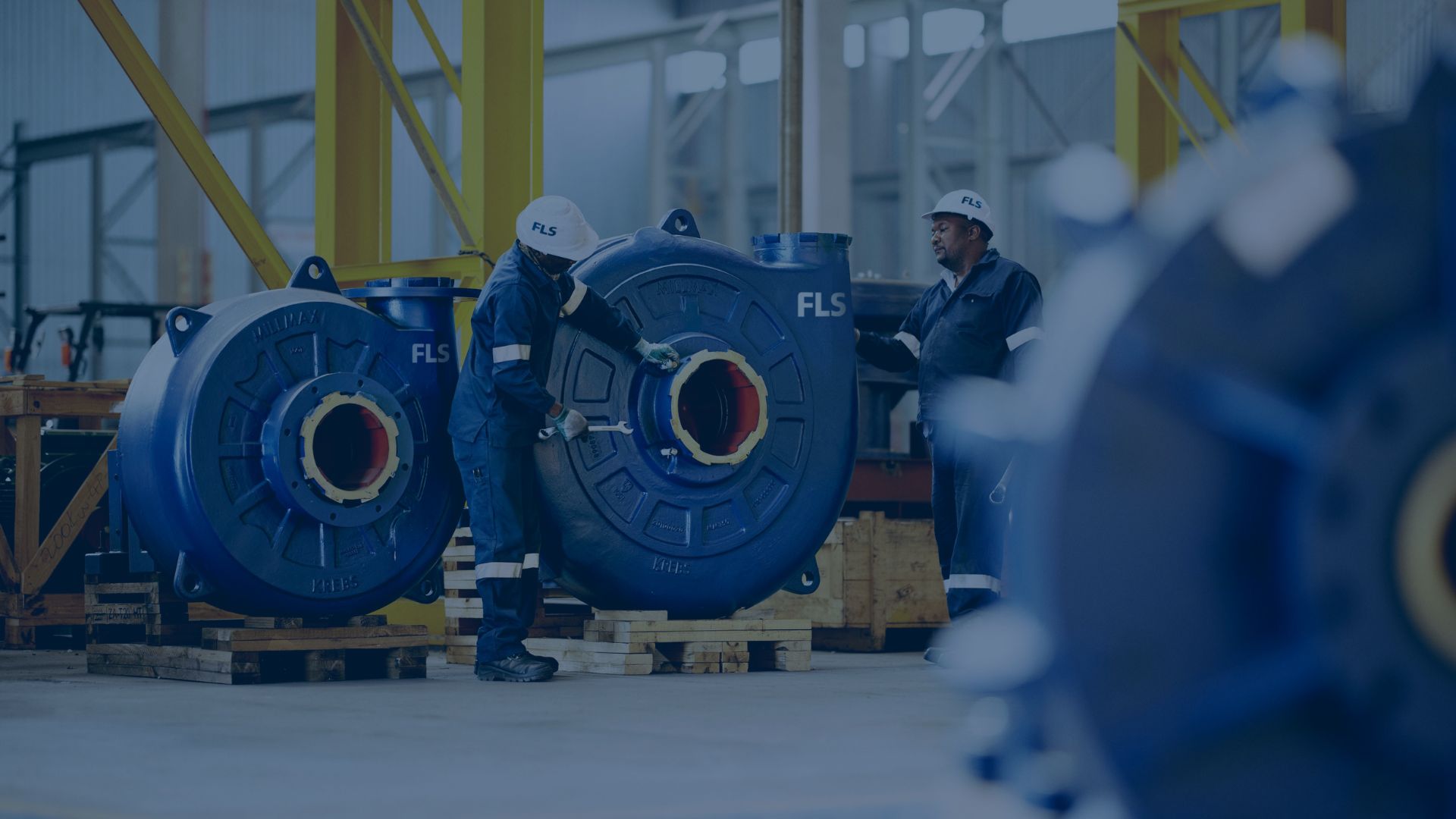
The slurryMAX heavy-duty split-case pump features our externally adjustable wear ring for extended service life and improved efficiency of 10-15%. An integrated backliner on the volute liners bolts safely to the drive-side casing, eliminating problematic pinch points whilst making maintenance faster and safer.

Advanced cyclone attachments for drier, cleaner solids

gMAX®: Peak performance in dewatering and classification

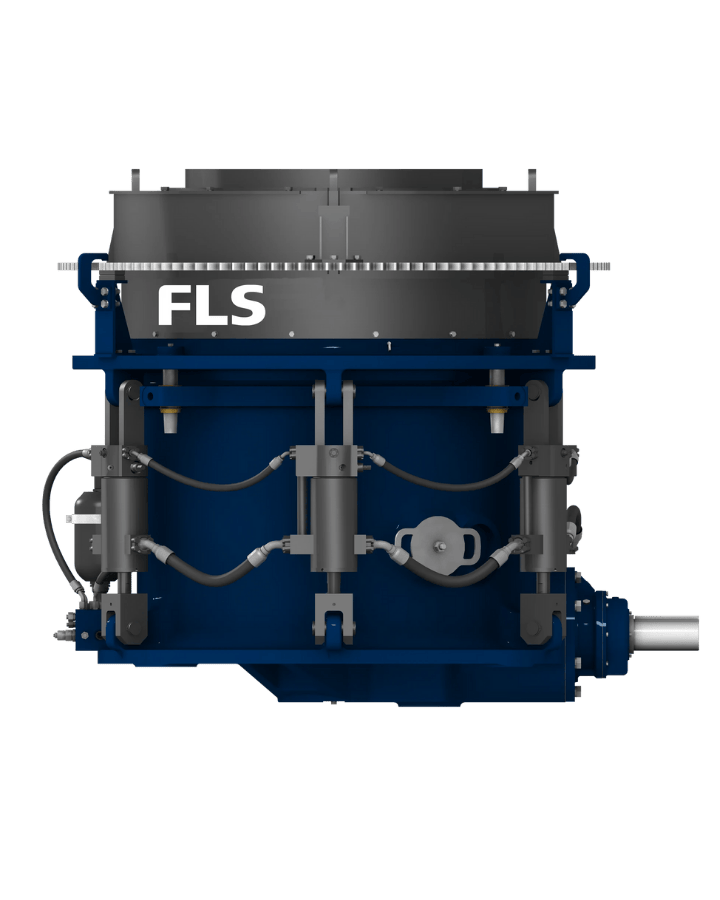
The gMAX cyclone delivers optimal performance for fines recovery, product classification, and dewatering. Its innovative design minimises turbulence while maximising tangential velocity, significantly improving cyclone performance and optimising the recovery of saleable product. 

Partner with FLS for your material processing operations

Models

Compare material processing slurry pumps

slurryMAX™
millMAX-e™
Primary duty
Grit removal, scum, rags, digester circulatio
Abrasive grit transport, high-pressure sludge transfer
Solids handling capability
Handles large, fibrous solids without clogging
Handles fine to medium abrasive solids efficiently
Impeller type
Recessed impeller (vortex action)
Closed impeller with wear ring technology
Efficiency profile
Minimal particle degradation
Lowest power cost per tonne pumped

Performance & compliance of KREBS pumps, cyclones, and valves

Performance standards

This is a placeholder.

ISO certifications

This is a placeholder.

Partner with FLS for your material processing operations

Technical suitability of KREBS pumps, cyclones, and valves 

1. Typical applications

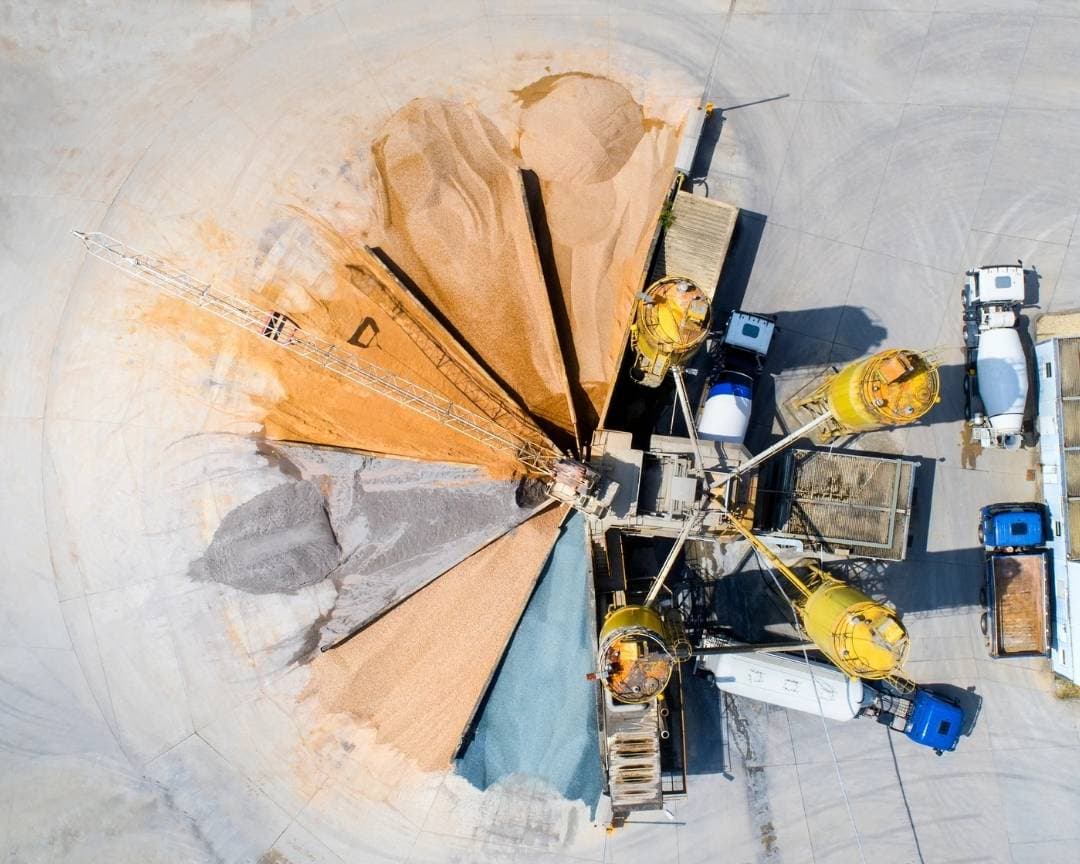
KREBS equipment handles abrasive slurries across various material processing applications, including:

  • Sand and fines recovery
  • Crushed stone washing and classification
  • Frac sand processing
  • Dewatering and desliming
  • Dredging and transfer applications

2. Materials, footprint and installation

From casting to finished painted parts, FLS has the equipment and expertise to deliver the best material options to our customers. We offer a wide range of elastomers that can handle various chemicals, pH levels, concentrations, and temperature ranges, proprietary high-chrome irons specifically designed to provide outstanding abrasion and/or corrosion resistance, and tungsten carbide laser cladding for extended wear life in the most abrasive applications. Our material offering also includes a range of urethane liners, capable of operating at higher tip speeds and withstanding fine particle wear. 

KREBS pumps and cyclones integrate into existing plant layouts with standard flange connections and mounting configurations. Split-case pump designs allow in-situ maintenance without disturbing piping connections. Cyclone manifold systems can be configured for single or multiple units depending on the required capacity and classification requirements.

3. Process integration

Cyclone systems typically receive feed from pump discharge, with underflow reporting to dewatering equipment or product stockpiles and overflow returning to upstream classification or settling ponds. Pump selection considers required head, flow rate, slurry characteristics, and operating point relative to Best Efficiency Point (BEP) to maximise wear life and minimise power consumption.
Maintenance & service

Lifecycle support and service programmes

We offer comprehensive support for all KREBS products, including site assistance to monitor equipment operation and ensure your pumps and cyclones are running within designated performance parameters. Service engineers note changes to operating conditions and recommend upgrades or practice changes to maintain optimal performance. FLS also operates strategically located service centers worldwide that provide fast, efficient off-site rebuilds with uniform construction quality. Aftermarket support ensures wear parts availability with multiple material options.

Learn more

Frequently asked questions

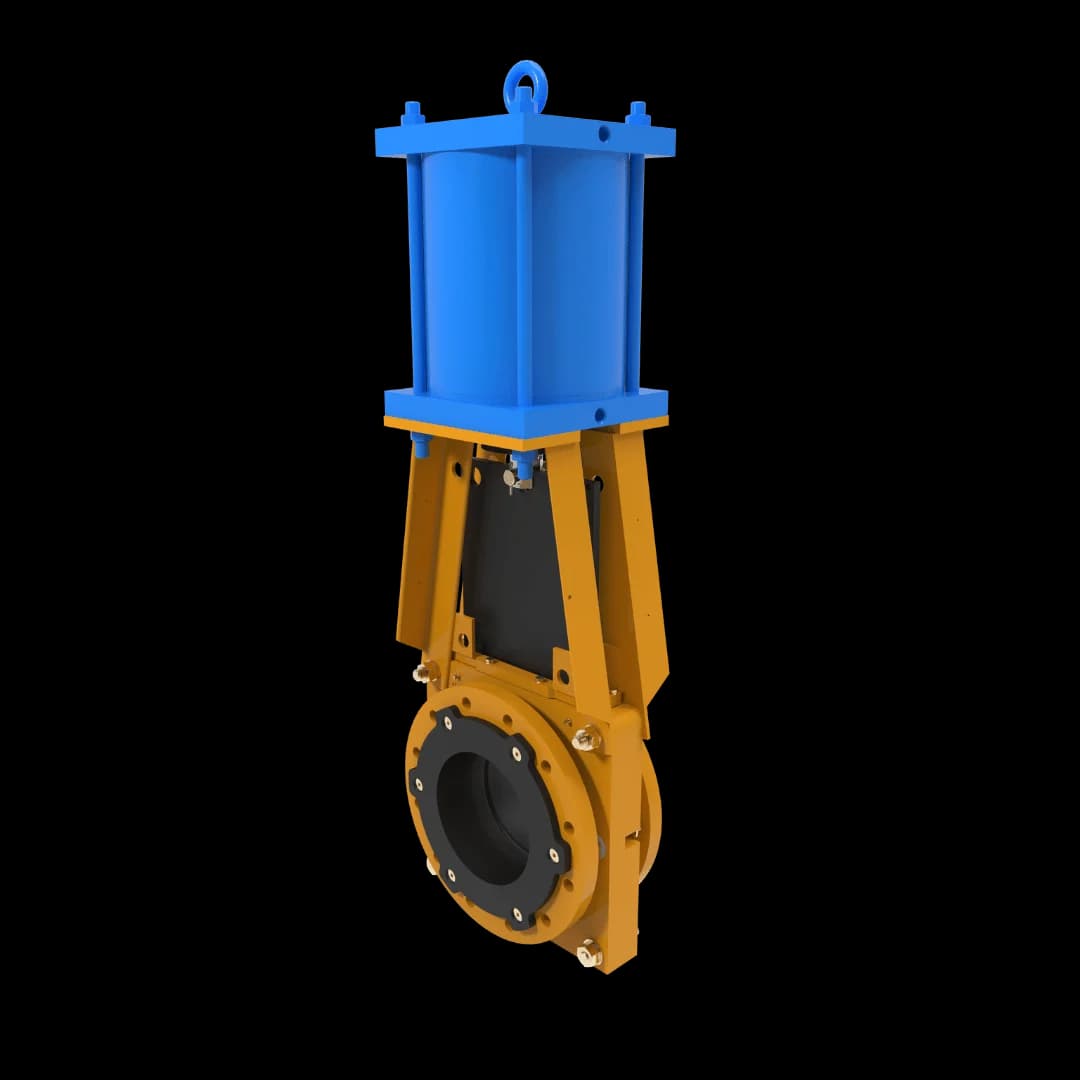
KREBS knife gate valves feature field-replaceable wear sleeves that extend past the valve body to provide superior sealing whilst eliminating downstream leakage. The bi-directional design handles flow in either direction with equal effectiveness, and the self-flushing action removes the need for packing glands that require constant adjustment and maintenance. Heavy-duty wear sleeves protect valve components from abrasive slurries, and the interchangeable actuator design allows valves to be reconfigured for different control requirements as plant processes evolve. Material is automatically ejected from the bottom during actuation, ensuring full gate closure and providing a reliable bubble-tight seal even with challenging slurries.

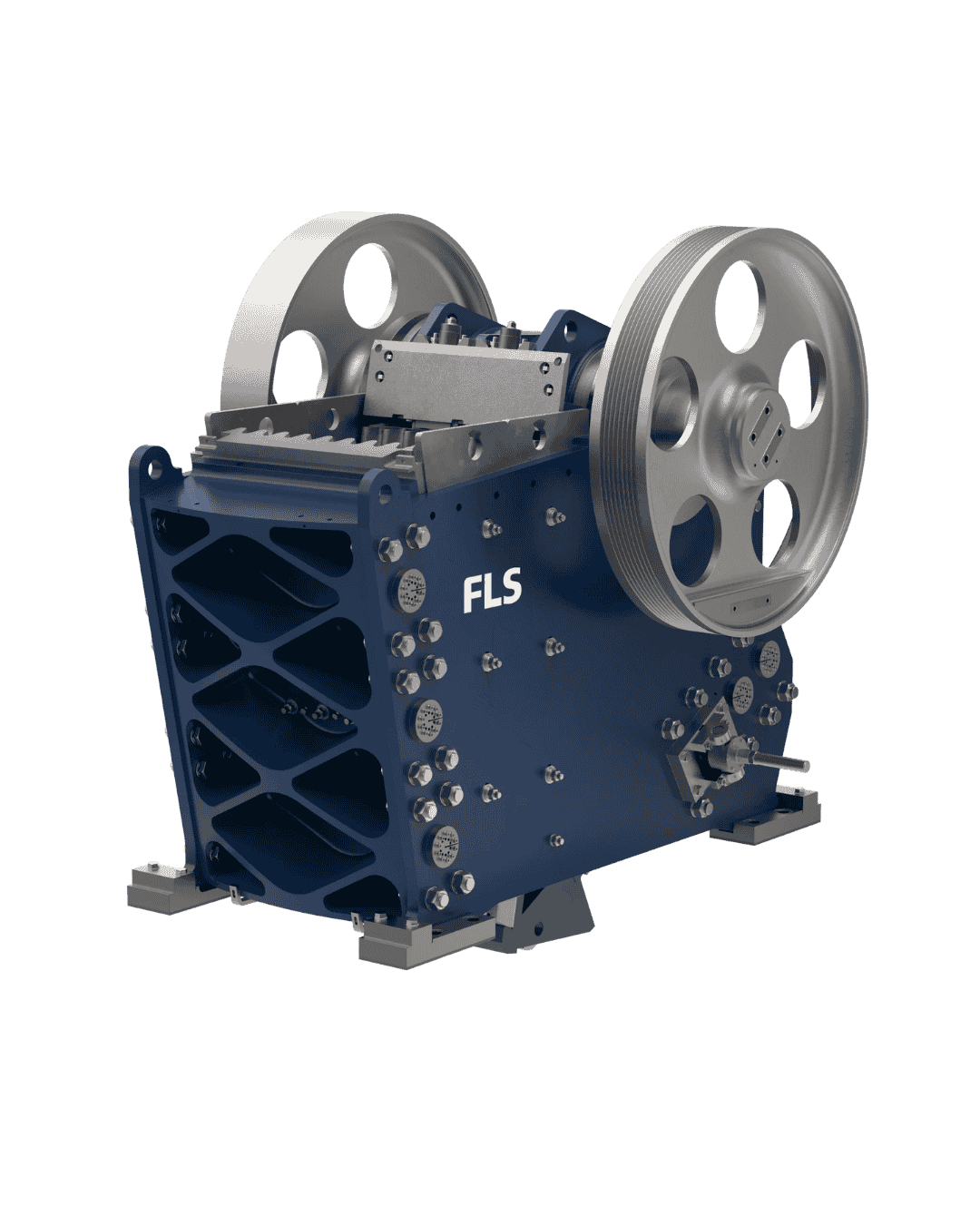
Cyclone diameter selection depends on required throughput capacity, target separation size, feed solids concentration, and available feed pressure. Larger-diameter cyclones process higher volumetric flow rates but produce coarser separation cuts, whilst smaller-diameter cyclones achieve finer separations at lower capacities. For sand recovery from classifier overflow in aggregates plants, 250-400mm diameter cyclones are typically specified.

Thanks to its improved separation efficiency and higher capacity per unit, you generally require fewer gMAX cyclones to achieve optimal performance than with conventional designs. 

Roping occurs when the cyclone underflow discharges as a concentrated central cord rather than dispersing in an umbrella or spray pattern. This condition indicates excessive feed density, insufficient feed pressure, or a blocked apex opening, all of which prevent proper classification. Roping reduces separation efficiency because material short-circuits through the cyclone without adequate residence time for classification.

Prevention requires maintaining proper feed pressure (typically 50-100 kPa above the minimum operating threshold), monitoring feed density to stay within design parameters, and regularly inspecting the apex for partial blockages caused by coarse particles or debris. The CycloStack device helps prevent roping by automatically adjusting the effective apex diameter in response to varying feed conditions.

Pumps operating near BEP exhibit stable discharge pressure, smooth vibration-free operation, and predictable wear patterns on impeller and liners. In contrast, operating significantly away from the BEP causes increased recirculation, excessive vibration, accelerated wear, and higher power consumption per unit flow.

Key strategies for determining whether a pump is operating at its BEP include monitoring power draw relative to flow rate, tracking wear-part life compared to expected service intervals, and observing bearing temperatures that rise when pumps operate far from BEP. FLS site support engineers use pressure gauges, flow meters, and power monitoring to verify operating points against published pump curves.

The externally adjustable wear ring on KREBS pumps allows the BEP operating point to be restored as components wear, maintaining efficiency throughout the service interval rather than accepting degraded performance.

Increased vibration levels indicate bearing wear or an impeller imbalance caused by uneven liner deterioration. Rising power consumption at constant flow suggests recirculation losses due to excessive wear-ring clearances or impeller wear. Decreased discharge pressure or flow rate shows hydraulic performance degradation requiring wear part replacement. Unusual noises, such as grinding or rattling, may point to component contact or loose fasteners. Seal leakage increases as expeller wear progresses.