Blog

Hardness vs toughness: striking the right balance for mining equipment consumables

In the mining industry, consumable parts such as liners, screens, crusher wear components, and other critical equipment components must withstand some of the harshest operating conditions on earth. Two fundamental material properties - hardness and toughness - play a vital role in determining how well these components perform, how long they last, and how they impact overall operational efficiency. Understanding the difference between hardness and toughness - and why both are essential - is key to developing consumables that optimize equipment reliability and performance.

Home/.../Blog/Hardness vs toughness bal...

What is hardness? 

Hardness refers to a material’s resistance to surface wear, abrasion, and indentation. Harder materials better resist the grinding, crushing, and abrasive forces common in mining operations, helping consumables last longer under extreme conditions. 

Example: 

Glass is a material with high hardness but low toughness - it resists surface scratches well but is brittle and can shatter under impact. 

However, hardness alone isn’t enough. Extremely hard materials may be prone to cracking or sudden failure under stress. 
What is toughness? 

Toughness describes a material’s ability to absorb energy and deform without fracturing. It indicates how well a material can handle impacts, shocks, and fluctuating loads without cracking or breaking. 

Example: 

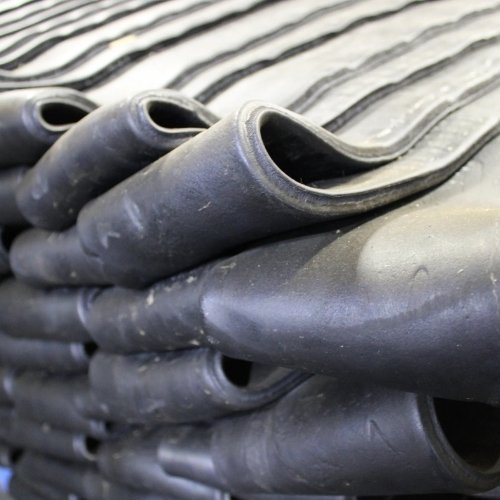
Rubber exhibits high toughness but low hardness - it absorbs impacts and deforms significantly but wears down quickly when exposed to abrasive forces. 

If toughness is high but hardness too low, consumables may deform excessively or wear rapidly, shortening service life. 

Why both hardness and toughness matter in mining consumables 

Mining consumables regularly face a combination of abrasion, impact, and cyclic stresses. Prioritizing one property at the expense of the other can cause failures:

  • Focusing only on hardness can lead to brittle, crack - prone components
  • Prioritizing toughness alone can result in rapid wear and loss of functionality

The optimal balance between hardness and toughness enables consumables to:

  • Resist wear and abrasion for longer life 
  • Withstand impacts and shocks without fracturing 
  • Maintain dimensional stability and function throughout service 
  • Reduce unplanned downtime and maintenance costs 

This balance enhances the total cost of ownership and helps maintain consistent, efficient mining operations. 

Comparison

Typical mining consumable material comparison

Rubber
Steel
Hardness
Low
Moderate to high
Toughness
Very high
Good
Typical behavior in mining consumables
Extremely impact-resistant but wears quickly in abrasive mining environments
Balanced wear resistance and toughness, making it the traditional choice for many consumables

Advancing material development for balanced performance 

Mining consumable manufacturers continually invest in metallurgical engineering and innovative design to develop materials with tailored hardness - toughness profiles. Techniques such as composite reinforcement, heat treatment, and alloying improve wear resistance without compromising impact resistance. 

Complementary design considerations, including geometry and mounting methods, also help distribute forces and minimize failure risks, ensuring the material properties deliver reliable real-world performance. 

Impact on mining equipment performance and efficiency 

  • Extended service life reduces replacement frequency and associated costs
  • Lower failure rates minimize unexpected downtime 
  • Optimized wear profiles maintain equipment functionality and process efficiency
  • Consistent operational performance supports stable throughput and energy use 

Together, these benefits contribute to safer, more productive, and cost-effective mining operations. 

Conclusion 

Whether it’s mill liners, crusher parts, screens, or other consumables, balancing hardness and toughness is critical to achieving durable, high-performing mining equipment components. Through ongoing material science advancements and smart design, mining operations can optimize equipment life, reliability, and efficiency - ultimately boosting profitability and sustainability.