Blog

Maximising uptime: the impact of extending grinding mill shutdown intervals

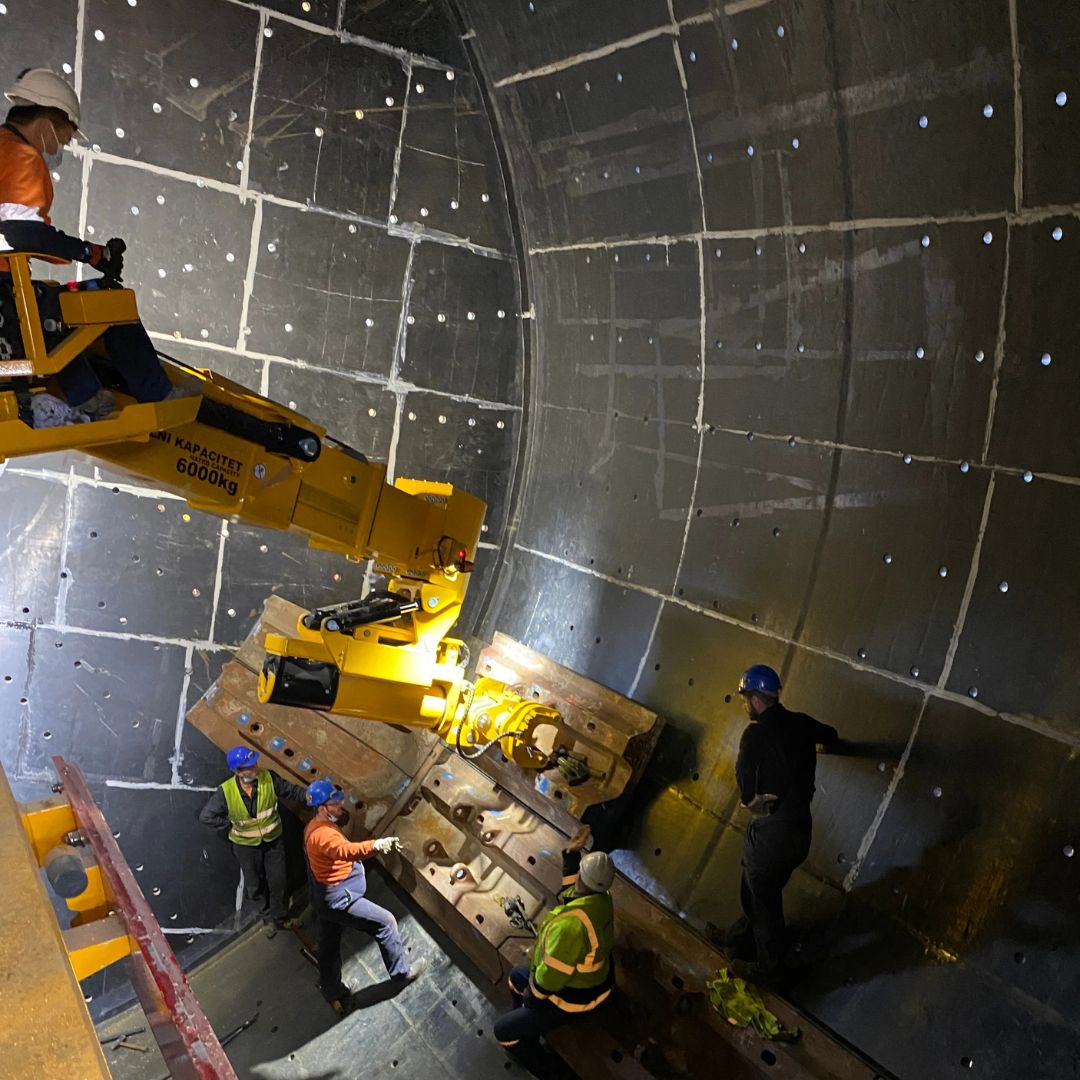
In mining operations, grinding mills are among the most critical pieces of equipment - and their scheduled shutdowns for maintenance, inspections, and liner replacements have a significant impact on productivity and operating costs. Extending grinding mill shutdown intervals is a powerful strategy to boost throughput, reduce maintenance costs, and improve overall operational efficiency. In this blog, we’ll explore the benefits, risks, and considerations of lengthening mill shutdown intervals - supported by a case study that quantifies the potential operational and financial gains from applying advanced wear materials.

Home/.../Blog/Maximising uptime the imp...

Why shutdown intervals matter 

Scheduled shutdowns allow mining teams to replace worn liners, inspect equipment condition, and perform essential maintenance. While necessary for safe and reliable operation, shutdowns come at a cost: lost production time, maintenance labor, and logistical expenses. 

Minimising downtime is therefore a critical priority for maximising mill throughput and reducing the total cost of ownership. Extending shutdown intervals without compromising equipment integrity can unlock substantial value. 

Benefits of extending shutdown intervals 

  • Increased production time: longer operational periods mean more ore processed between shutdowns, directly boosting throughput
  • Lower maintenance costs: reducing the frequency of liner replacements and maintenance activities lowers labor and materials costs
  • Reduced disruption: fewer shutdowns lessen the impact on downstream processing and overall plant scheduling
  • Improved asset utilization: mills are used closer to their full capacity, enhancing return on investment

How to safely extend shutdown intervals 

Extending shutdown intervals requires careful planning and technological support to manage risks: 

  • Advanced material technologies: using wear parts with superior durability extends service intervals naturally
  • Condition monitoring & predictive maintenance: sensors and analytics enable real-time wear and performance tracking, allowing maintenance to be done precisely when needed rather than on fixed schedules
  • Data-driven decision making: digital twins and analytics platforms simulate wear and predict optimal replacement timing, balancing risk and uptime
  • Robust maintenance planning: detailed risk assessments and contingency planning mitigate the consequences of unexpected failures

Case study: unlocking value with 15% longer wear life 

A recent field trial tested a new mill liner material that delivered 15% longer wear life compared to existing liners in a full-scale grinding mill. 

Value calculation example: 

  • Baseline shutdown interval: 4 months (120 days)
  • Mill downtime per shutdown: 5 days
  • Annual operational days: 365 days 

Current scenario: 

  • Number of shutdowns per year: 365 / 120 ≈ 3.04
  • Total downtime per year: 3.04 × 5 = 15.2 days
  • Operational days per year: 365 − 15.2 = 349.8 days 

With 15% longer wear life: 

  • New shutdown interval: 120 × 1.15 = 138 days
  • Number of shutdowns per year: 365 / 138 ≈ 2.64
  • Total downtime per year: 2.64 × 5 = 13.2 days
  • Operational days per year: 365 − 13.2 = 351.8 days 

Impact: 

  • Downtime reduced by 2 days annually
  • Additional production time gained: 2 days × daily throughput (e.G., 10,000 tonnes/day) = 20,000 tonnes more processed per year 

Financial and operational benefits: 

  • Increased revenue from additional throughput
  • Reduced maintenance labor and parts replacement costs
  • Improved scheduling and less operational disruption 

Scaling this improvement across the entire mill’s liners multiplies these benefits, representing a significant competitive advantage. 

Potential risks and mitigations 

While longer shutdown intervals deliver value, they require vigilance: 

  • Unexpected failures can occur if wear monitoring is insufficient
  • Wear accumulation can affect grinding efficiency and product quality
  • Maintenance strategies must shift towards condition-based approaches with real-time data

Conclusion: A balanced approach for maximum efficiency 

Extending grinding mill shutdown intervals offers compelling benefits in throughput, cost savings, and operational stability. Advances in material technology, demonstrated by our case study’s 15% longer liner wear life, provide a foundation to safely push these intervals further. 

By combining innovative materials with condition monitoring and predictive maintenance, mining operations can achieve a safer, more productive mill environment - turning downtime reductions into measurable business value.